

The six greenhouse gases are carbon dioxide (CO2), methane (CH4), nitrous oxide (N2O), hydrofluorocarbons (HFCs), perfluorocarbons (PFCs), and sulfur…
Emissions Trading Systems: How the UK ETS Works, Who It Covers, and Where to Get Help
The UK Emissions Trading Scheme (UK ETS) is a cap-and-trade programme that puts a limit on greenhouse gas emissions from certain carbon-intensive…
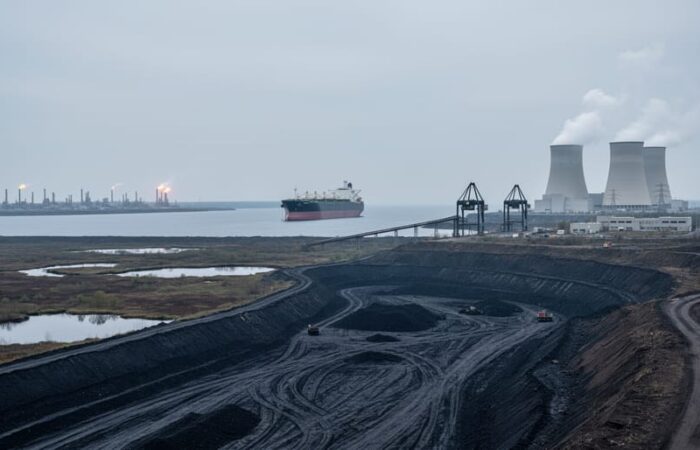
5 Non Renewable Energy Sources and What They Mean for the Energy Transition
The five main non renewable energy sources are coal, oil, natural gas, nuclear (uranium), and peat.
How Much Does Cost Containment in Emissions Trading Systems Cost? (2026)
Many systems include de minimis thresholds or simplified compliance pathways for facilities emitting below specific levels, often 25,000 tons CO₂e…
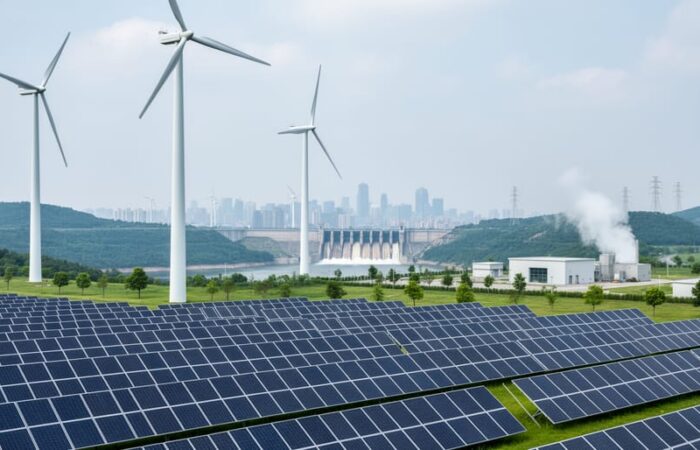
What Are Renewable Energy Transitions (and How Do They Work)?
A renewable energy transition is the structural shift of an electricity or energy system away from fossil fuels toward renewable sources like solar, wind, hydroelectric, and geothermal power, fundamentally changing how energy is generated, distributed, and consumed.
This transformation isn’t just about swapping coal plants for solar farms. It represents a complete redesign of energy infrastructure, market structures, workforce training, and community planning. The stakes are clear: energy systems account for roughly three-quarters of global greenhouse gas emissions, making this transition the single most powerful lever for …
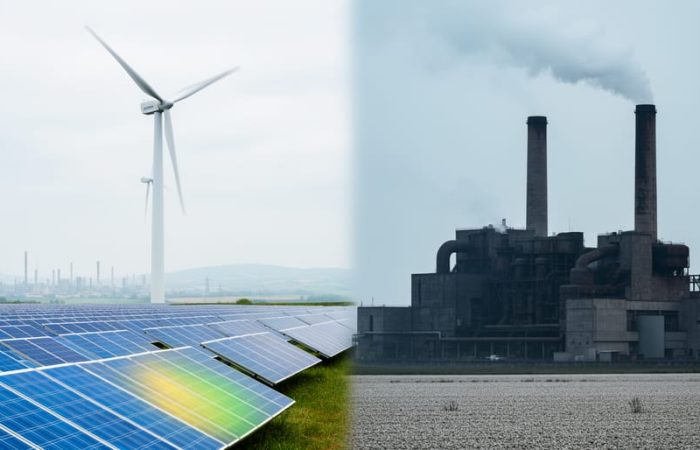
Fossil Fuel vs. Renewable Energy Costs: Key Differences and Which Fits Your Needs
Renewable energy has won the cost battle against fossil fuels in most markets worldwide, with solar and wind now cheaper to build and operate than new coal or gas plants in over 90% of regions. This shift isn’t marginal. Utility-scale solar costs have plummeted more than 80% since 2010, while onshore wind has dropped roughly 70%, making renewables the most economical choice for new electricity generation. For homeowners, businesses, and policymakers evaluating energy investments in 2026, the financial case for renewables is no …

How to Understand and Track CO2 Emission Units Across Linked Carbon Markets
CO2 emission units are tradable certificates that represent the right to emit one metric ton of carbon dioxide or its equivalent greenhouse gas, and they form the foundation of linked carbon markets where businesses can meet climate obligations by purchasing, transferring, or trading these units across jurisdictions. Understanding how to track and manage these units has become essential for companies navigating compliance in an era where more than 70 carbon pricing systems now operate globally, many with reciprocal recognition agreements that allow emission units earned in one market to count toward obligations in another.
The …
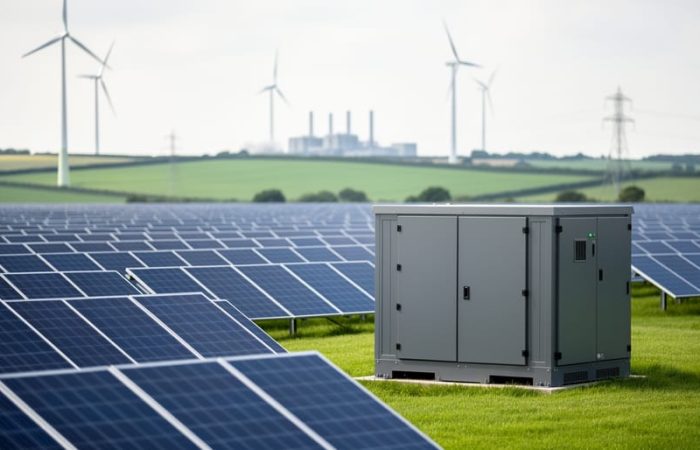
4 Green Power Systems News Update: What Changed and What to Watch in 2026
Four major green power systems are experiencing critical shifts in 2026, driven by regulatory consultations, investment commitments, and evolving market frameworks that could accelerate or delay the UK’s clean energy transition. Solar, wind, battery storage, and carbon capture technologies now sit at the intersection of policy reform and commercial deployment, with £70 billion in transmission infrastructure planned through 2031 to support their integration.
The 2026 green energy update reveals a landscape shaped …
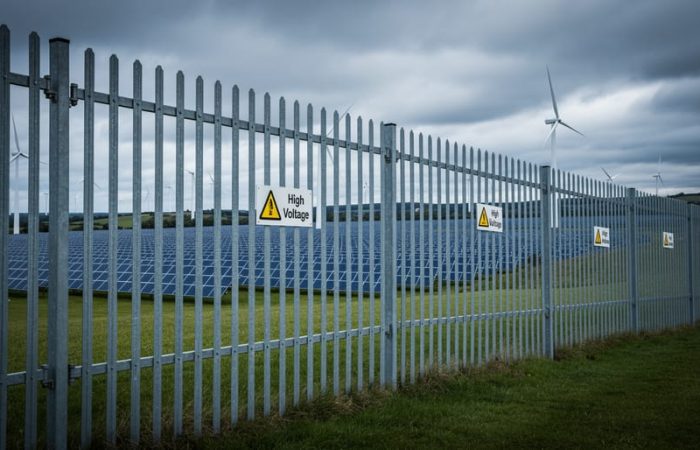
Leaders in Green Energy News Update: What Changed and What to Watch in 2026
The green energy transition is stalling not because the technology isn’t ready, but because the companies that control grid access are creating massive bottlenecks. Recent research reveals that traditional utilities are actively delaying the integration of wind and solar projects, leading to a connection backlog that leaves clean energy projects waiting months or even years to deliver power to the grid. This contradiction between public sustainability commitments and actual behavior matters because the UK has set an ambitious target for …

4 Linkage Mechanism: How Carbon Markets Connect to Expand Climate Impact
The four linkage mechanisms that enable emissions trading systems to connect are baseline-and-credit linking, direct linking, indirect linking through a common registry, and mutual recognition of compliance units. These technical frameworks allow carbon markets across different jurisdictions to share emission reduction credits, expanding liquidity and creating pathways for businesses to meet compliance obligations more cost-effectively. As global climate commitments intensify in 2026, understanding these mechanisms has become essential for anyone working at the intersection of …