
The UK Emissions Trading Scheme (UK ETS) is a cap-and-trade programme that puts a limit on greenhouse gas emissions from certain carbon-intensive…
How Much Does Cost Containment in Emissions Trading Systems Cost? (2026)
Many systems include de minimis thresholds or simplified compliance pathways for facilities emitting below specific levels, often 25,000 tons CO₂e…
EU Emissions Trading System (EU ETS): How It Works, Who Participates, and Compliance Steps
The EU Emissions Trading System is Europe’s cap-and-trade carbon market, established in 2005 as the cornerstone of EU climate policy.
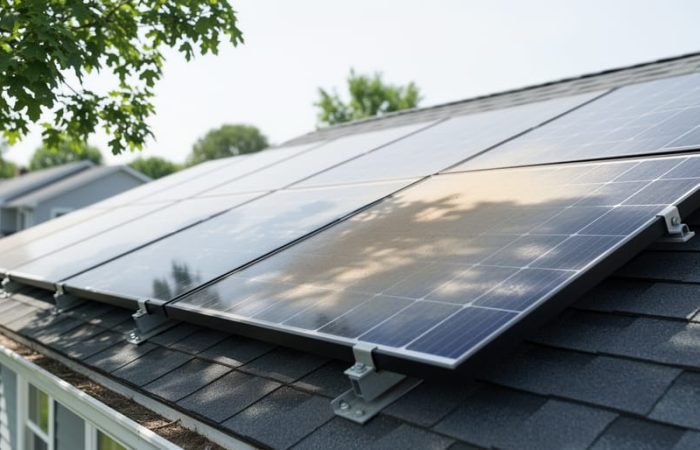
Why Are My Solar Panels Underperforming? Causes and How to Fix It
Most solar panel underperformance stems from a single culprit: accumulated dirt, debris, and shading that blocks sunlight from reaching your cells. Before you assume a major defect or call in costly repairs, check your panels for visible buildup or shadows cast by nearby trees, buildings, or even bird droppings. A simple cleaning or seasonal trimming often restores output by 15 to 25 percent.
If your monitoring system shows a sudden drop in production, start with the easiest diagnostics. Inspect for physical obstructions, verify that your inverter displays normal operation lights, and review recent weather events that may have …

How to Understand and Track CO2 Emission Units Across Linked Carbon Markets
CO2 emission units are tradable certificates that represent the right to emit one metric ton of carbon dioxide or its equivalent greenhouse gas, and they form the foundation of linked carbon markets where businesses can meet climate obligations by purchasing, transferring, or trading these units across jurisdictions. Understanding how to track and manage these units has become essential for companies navigating compliance in an era where more than 70 carbon pricing systems now operate globally, many with reciprocal recognition agreements that allow emission units earned in one market to count toward obligations in another.
The …
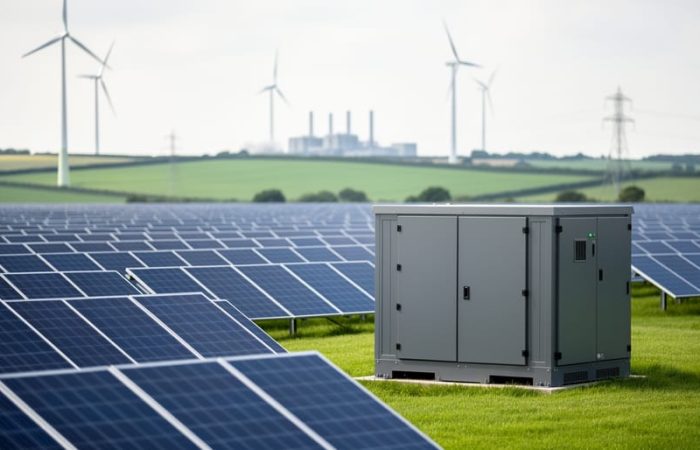
4 Green Power Systems News Update: What Changed and What to Watch in 2026
Four major green power systems are experiencing critical shifts in 2026, driven by regulatory consultations, investment commitments, and evolving market frameworks that could accelerate or delay the UK’s clean energy transition. Solar, wind, battery storage, and carbon capture technologies now sit at the intersection of policy reform and commercial deployment, with £70 billion in transmission infrastructure planned through 2031 to support their integration.
The 2026 green energy update reveals a landscape shaped …
Leaders in Green Energy News Update: What Changed and What to Watch in 2026
The green energy transition is stalling not because the technology isn’t ready, but because the companies that control grid access are creating massive bottlenecks. Recent research reveals that traditional utilities are actively delaying the integration of wind and solar projects, leading to a connection backlog that leaves clean energy projects waiting months or even years to deliver power to the grid. This contradiction between public sustainability commitments and actual behavior matters because the UK has set an ambitious target for …

4 Linkage Mechanism: How Carbon Markets Connect to Expand Climate Impact
The four linkage mechanisms that enable emissions trading systems to connect are baseline-and-credit linking, direct linking, indirect linking through a common registry, and mutual recognition of compliance units. These technical frameworks allow carbon markets across different jurisdictions to share emission reduction credits, expanding liquidity and creating pathways for businesses to meet compliance obligations more cost-effectively. As global climate commitments intensify in 2026, understanding these mechanisms has become essential for anyone working at the intersection of …
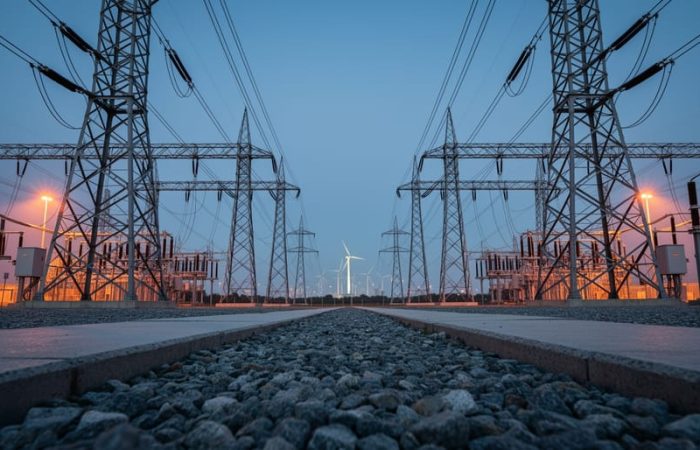
What Is Industrial Power Generation (and How Does It Hinder Green Energy)?
Industrial power generation is the large-scale production of electricity by utilities and independent producers to supply the electrical grid, encompassing everything from coal and natural gas plants to nuclear facilities and renewable installations. This foundation of modern infrastructure powers factories, offices, hospitals, and homes, yet the system itself has become a flashpoint in the transition to clean energy.
Understanding how industrial power generation works matters now more than ever because the companies operating these systems hold …
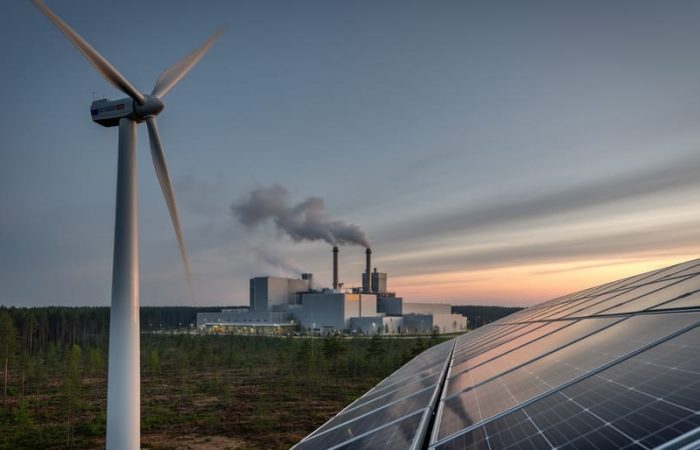
What Is GHG Emission Reduction (and How Does It Work)?
GHG emission reduction is the deliberate process of lowering the amount of greenhouse gases released into the atmosphere through changes in energy systems, industrial practices, transportation, land use, and consumption patterns. These gases, primarily carbon dioxide, methane, and nitrous oxide, trap heat in the Earth’s atmosphere and drive climate change. Reducing them is no longer optional for governments, businesses, or communities aiming to limit global temperature rise and its cascading impacts.
The challenge is real, but so is the momentum. By 2026, emission reduction has evolved from a theoretical target into a set of …