
The green energy transition is stalling not because the technology isn’t ready, but because the companies that control grid access are creating massive bottlenecks. Recent research reveals that traditional utilities are actively delaying the integration of wind and solar projects, leading to a connection backlog that leaves clean energy projects waiting months or even years to deliver power to the grid. This contradiction between public sustainability commitments and actual behavior matters because the UK has set an ambitious target for the National Grid to run entirely on renewable energy by 2035, yet industrial power generation infrastructure remains firmly in the hands of companies with little incentive to accelerate the shift. The good news is that this obstruction is finally being exposed and addressed, with new government measures aimed at breaking the link between global gas markets and UK electricity costs. Understanding which energy leaders are genuinely advancing renewable adoption versus those engaged in greenwashing gives you the clarity to support meaningful progress and hold companies accountable for their climate commitments.
What Changed: New Research Exposes Utility Delays
The renewable energy sector faced a harsh reality check when new research exposed a troubling pattern: power companies publicly championing themselves as green energy pioneers are simultaneously creating significant roadblocks to wind and solar deployment. Recent investigations reveal utilities dragging their feet when it comes to actually integrating renewable projects into the grid, despite glossy sustainability reports and net-zero pledges that suggest otherwise.
The contradiction is stark. While utility marketing departments promote ambitious carbon reduction targets and renewable energy investments, operational divisions manage an enormous grid connection backlog that leaves clean energy projects in limbo for years. This bottleneck means that even when developers secure funding and permits for wind farms or solar installations, they face multi-year waits just to plug into the existing infrastructure.
The gap between claim and action matters because it directly undermines climate progress. Every month a solar farm sits disconnected or a wind project waits in queue represents lost clean energy generation and continued reliance on fossil fuels. For communities anticipating local renewable projects, these delays translate to prolonged exposure to volatile energy costs tied to global gas markets and missed opportunities for energy independence.
Key Developments Reshaping the Green Energy Landscape
1. Grid Connection Backlog Creating Multi-Year Delays
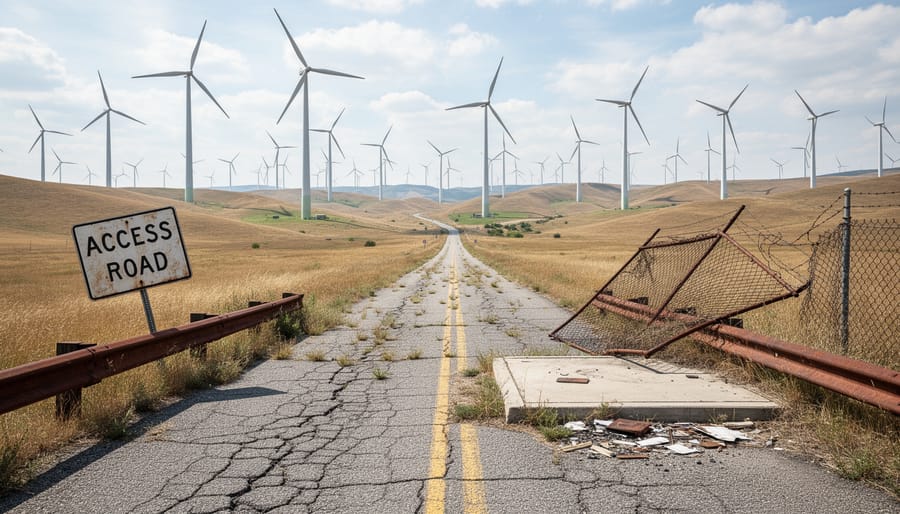
The connection queue stretching across the UK grid has become one of the most significant barriers to renewable energy deployment. Projects that secured planning permission and financing years ago now face waiting up to 15 years before they can deliver power to homes and businesses. This isn’t a minor administrative delay. It’s a structural bottleneck that freezes billions in capital, stalls carbon reduction targets, and prevents communities from accessing the clean electricity their local projects were designed to provide.
The practical impact hits multiple levels. Wind and solar developers watch their financial models collapse as connection dates slip further into the future, eroding investor confidence across the sector. Local authorities that championed renewable projects to meet climate commitments discover those megawatts won’t materialize for over a decade. Communities expecting jobs, reduced energy costs, and progress toward net-zero goals instead see idle turbines and solar panels sitting disconnected from the grid they were built to serve.
This backlog reveals a fundamental misalignment between the pace of renewable project development and the speed at which grid operators are expanding connection capacity. While planning approvals have accelerated and technology costs have plummeted, the infrastructure to integrate that clean power hasn’t kept pace. The result is a queue that grows faster than it clears, creating exactly the kind of systematic delay that undermines the UK’s 2035 renewable grid target and allows fossil fuel generation to maintain its market position far longer than necessary.
2. UK Sets 2035 Renewable Grid Target Amid Infrastructure Challenges
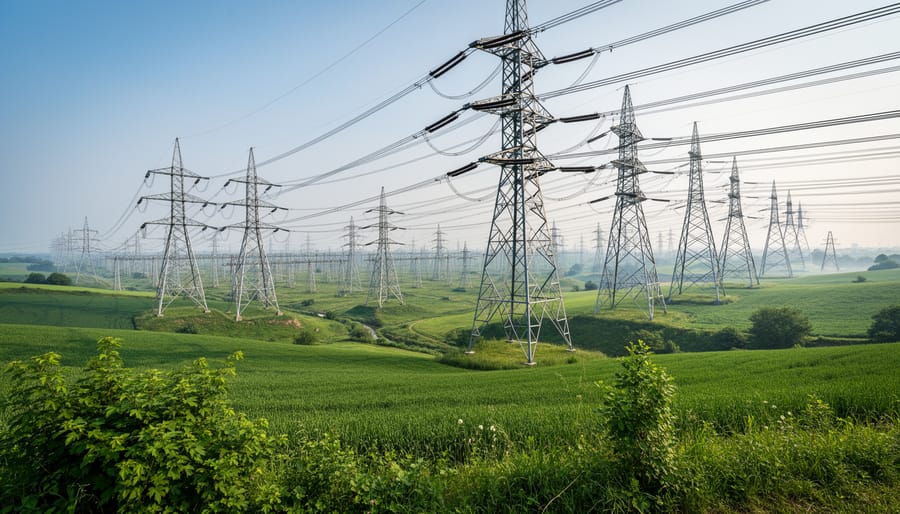
Britain’s National Grid has set an ambitious goal to operate entirely renewable by 2035 a target that reflects both the nation’s progress and the infrastructure hurdles standing in its way. The UK has already transitioned its electricity generation away from coal and towards renewables, particularly wind power. Offshore and onshore wind farms now supply a significant portion of the country’s electricity, demonstrating that large-scale renewable deployment is possible. This transition away from fossil fuels happened faster than many expected, showing what coordinated policy and investment can achieve.
Yet the 2035 target arrives at a moment when the grid faces serious practical constraints. The massive connection backlog means renewable projects approved and ready to generate power sit idle, unable to feed electricity into the system. Wind farms capable of powering thousands of homes remain disconnected, not because the technology failed but because grid capacity and connection processes have not kept pace with the speed of renewable development.
The gap between ambition and infrastructure reveals a central tension. On one hand, the UK has proven it can phase out coal and scale wind generation at a national level. On the other, the very systems meant to distribute that clean power are struggling to absorb new projects quickly enough. Meeting the 2035 goal requires more than building turbines. It demands grid upgrades, streamlined connection approval, and investment in transmission networks that can handle intermittent renewable sources.
This target sets a clear benchmark for measuring whether utilities and grid operators are genuinely accelerating the transition or merely managing public expectations while infrastructure lags behind.
3. Government Policy Shifts to Decouple Electricity from Gas Prices
For decades, UK electricity prices moved in lockstep with global gas markets, even when wind turbines generated power at near-zero marginal cost. When gas prices spiked, whether from geopolitical shocks or seasonal demand surges, household and business electricity bills climbed too, regardless of how much renewable energy flowed through the grid. This pricing structure left consumers vulnerable to fossil fuel volatility and weakened the financial case for renewable expansion.
The government has unveiled measures aimed at weakening the link between global gas markets and the cost of UK electricity. These policy shifts recognize that tying clean energy prices to gas undermines both affordability and decarbonization goals. The reforms propose mechanisms that allow renewable generation to be priced independently, reflecting its actual production costs rather than the marginal price set by gas-fired plants during peak demand hours.
This decoupling reshapes utility incentives in competing directions. On one hand, it strengthens the business case for renewable investment by stabilizing revenue streams and making wind and solar projects more attractive to developers and financiers. Lower, predictable electricity costs could accelerate industrial electrification and heat pump adoption, expanding the market for clean power.
On the other hand, the transition creates friction. Utilities accustomed to gas-linked pricing structures face operational adjustments, new contracting models, and potential revenue uncertainty during the policy’s implementation phase. Some may resist changes that alter established profit mechanisms or require significant system redesign. How quickly regulators enforce the decoupling, and whether they couple it with grid modernization funding, will determine whether this policy accelerates renewable adoption or becomes another bureaucratic delay tactic dressed in green language.
Why It Matters: The Real Stakes Behind the Headlines
The delays in renewable grid connections are not just administrative footnotes, they represent real setbacks for climate action and energy equity. When utility companies slow-walk wind and solar integration while maintaining public green commitments, the consequences ripple through multiple dimensions of the energy transition.
Connection backlogs directly undermine the UK’s 2035 renewable grid target. Each month that shovel-ready clean energy projects sit in queue rather than delivering power means continued reliance on fossil fuels and delayed carbon reductions. The gap between policy ambitions and operational reality widens when the very institutions responsible for grid modernization create the bottleneck. Communities that have invested in local renewable projects, and the tax revenue and jobs they bring, face uncertainty as completion timelines stretch from months into years.
The human costs extend beyond carbon accounting:
- Renewable developers absorb financial losses from delayed revenue while projects sit ready but unconnected
- Communities awaiting clean power remain dependent on fossil fuel generation with its associated health and cost impacts
- National climate commitments lose credibility when infrastructure delays contradict policy goals
- Electricity consumers continue exposure to gas market volatility that renewable integration would mitigate
Energy equity takes a direct hit when delays concentrate in certain regions or project types. If utility infrastructure investments prioritize wealthy areas or large-scale developments over community projects, the transition reinforces existing power imbalances rather than democratizing energy access.
The credibility question matters because institutional trust shapes public support for the policies needed to accelerate change. When companies market themselves as green energy leaders while their operational choices tell a different story, they corrode confidence in corporate climate commitments across sectors. Distinguishing genuine progress from performance becomes essential for informed advocacy and accountability.
Identifying True Leaders vs. Greenwashing: What to Look For
Distinguishing authentic green energy leadership from slick marketing requires looking beyond press releases to measurable action. Start with connection queue management, genuine leaders actively work to reduce the massive backlog delaying renewable projects, not just acknowledge it exists. Check whether a utility publishes clear timelines for connecting wind and solar developments, invests in grid capacity upgrades to handle more renewables, and shows actual reduction in wait times quarter over quarter.
Renewable integration rates tell the real story. Ask what percentage of the utility’s power mix comes from renewables today compared to three years ago, and whether that trajectory aligns with stated climate targets. Companies serious about GHG emission reduction publish audited data showing how much coal and gas generation they’ve retired and replaced with clean sources, not vague commitments for 2050.
Grid modernization investments separate leaders from laggards. True progress requires substantial capital, upgrading infrastructure to handle distributed renewable generation, implementing smart grid technology, and expanding transmission capacity. Look for concrete budget allocations and completed projects, not pilot programs that never scale.
Transparent reporting matters most. Companies can claim anything, but leaders publish regular, detailed updates on renewable procurement, connection queue progress, and emissions data that outside parties can verify. They participate openly in carbon markets with clear accounting, engage with community energy projects, and allow independent audits of their climate commitments.
When utilities meet these standards consistently while also advocating for policies that accelerate renewable adoption, you’ve found genuine leadership. Anything less deserves skepticism.

What to Watch: Critical Indicators for 2026 and Beyond
Track these concrete indicators to assess whether utilities are genuinely accelerating green energy adoption or maintaining institutional delays.
Monitor quarterly connection queue reports from grid operators. If the backlog of projects waiting to connect starts shrinking measurably, not just stabilizing, it signals utilities are prioritizing infrastructure upgrades. Look for published timelines showing how long solar and wind farms are waiting, and whether those wait times decrease month over month. A growing queue indicates continued obstruction regardless of public commitments.
Watch for policy implementation milestones tied to the 2035 renewable grid target. Specific markers include annual renewable capacity additions, coal plant closure schedules being met or accelerated, and grid infrastructure investment announcements. The government’s measures to decouple electricity prices from gas markets should translate into visible regulatory changes and utility operational adjustments if they are working.
Examine utility quarterly financial reports for capital allocation patterns. Companies genuinely leading the transition will show increasing investments in grid modernization, energy storage projects, and renewable integration technology. Pay attention to how utilities size batteries and storage systems in their infrastructure plans, as adequate storage capacity is essential for reliable renewable power.
Track community energy project announcements in your region. Local renewable initiatives getting swift connection approvals and streamlined permitting indicate systemic improvement. Conversely, projects stuck in bureaucratic limbo reveal where institutional resistance persists despite green branding.
Common Questions About Power Companies and Green Energy
Why would utilities delay renewable adoption when they claim to support green energy?
Utilities often face a conflict between their existing fossil fuel infrastructure investments and the transition to renewables. Legacy coal and gas assets represent sunk costs that companies want to fully depreciate, while renewable integration requires substantial grid upgrades and threatens their traditional business model based on centralized generation.
What can individuals do to support genuine renewable progress?
Contact your local utility to ask specific questions about their renewable integration timeline and grid connection processes. Support community energy projects, participate in public consultations on energy policy, and advocate for transparency requirements that compel utilities to report connection queue data and renewable adoption metrics publicly.
Where can I find reliable information about my utility’s renewable performance?
Check your utility’s regulatory filings, which often contain more concrete data than marketing materials. Government energy departments publish grid connection statistics and renewable generation figures, while independent energy watchdogs and consumer advocacy groups track utility performance against stated commitments.
How do grid connection delays specifically impact renewable energy projects?
The massive connection backlog means clean energy projects sit in a queue for years waiting to connect, during which developers face ongoing costs without revenue. This uncertainty discourages investment, slows the deployment of wind and solar capacity, and delays the carbon reductions these projects would deliver once operational.
Remember that utilities are complex organizations navigating real infrastructure challenges alongside financial pressures. However, genuine leadership means prioritizing solutions rather than prolonging problems. As the UK’s 2035 renewable grid target demonstrates, ambitious transitions are possible when political will meets operational commitment. Your questions and engagement help maintain pressure for that commitment to become reality rather than rhetoric.
The gap between green energy rhetoric and operational reality reveals a fundamental truth: leadership in this space is defined by infrastructure investment, grid modernization, and transparent action, not press releases. While utilities face legitimate technical challenges in managing the renewable transition, the connection backlog and slow integration rates show where marketing claims diverge from measurable progress.
The renewable energy transition will move forward regardless of institutional resistance. UK policy shifts toward decoupling electricity from gas prices, combined with the 2035 grid target, create momentum that can’t be reversed. Community energy projects, informed advocacy, and public accountability accelerate this shift.
Readers hold significant power in this landscape. Monitor utility quarterly reports for concrete renewable integration metrics. Support local clean energy initiatives. Ask direct questions about connection queue improvements and grid upgrade timelines. Demand transparency from companies claiming green leadership.
The transition to renewable energy isn’t just inevitable, it’s already underway, driven by technology costs, policy momentum, and community action. True leaders will distinguish themselves through measurable contribution to that transition, building the infrastructure that communities need rather than delaying it while competitors gain ground.