

The six greenhouse gases are carbon dioxide (CO2), methane (CH4), nitrous oxide (N2O), hydrofluorocarbons (HFCs), perfluorocarbons (PFCs), and sulfur…

Emissions Trading Systems: How the UK ETS Works, Who It Covers, and Where to Get Help
The UK Emissions Trading Scheme (UK ETS) is a cap-and-trade programme that puts a limit on greenhouse gas emissions from certain carbon-intensive…
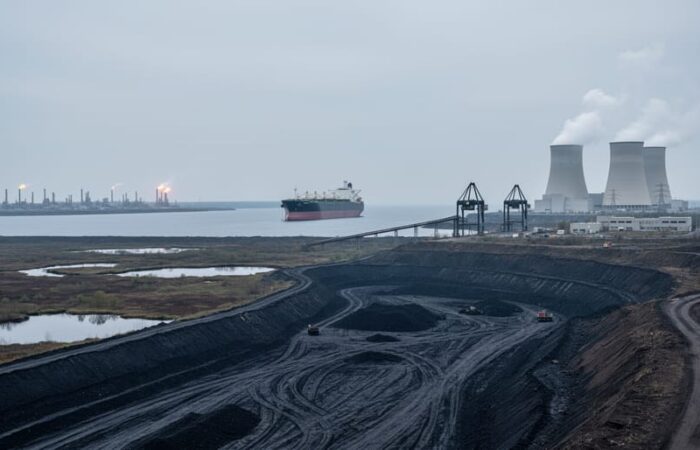
5 Non Renewable Energy Sources and What They Mean for the Energy Transition
The five main non renewable energy sources are coal, oil, natural gas, nuclear (uranium), and peat.

How Much Does Cost Containment in Emissions Trading Systems Cost? (2026)
Many systems include de minimis thresholds or simplified compliance pathways for facilities emitting below specific levels, often 25,000 tons CO₂e…
EU Emissions Trading System (EU ETS): How It Works, Who Participates, and Compliance Steps
The EU Emissions Trading System is Europe’s cap-and-trade carbon market, established in 2005 as the cornerstone of EU climate policy.

What Are Renewable Energy Transitions (and How Do They Work)?
A renewable energy transition is the structural shift of an electricity or energy system away from fossil fuels toward renewable sources like solar, wind, hydroelectric, and geothermal power, fundamentally changing how energy is generated, distributed, and consumed.
This transformation isn’t just about swapping coal plants for solar farms. It represents a complete redesign of energy infrastructure, market structures, workforce training, and community planning. The stakes are clear: energy systems account for roughly three-quarters of global greenhouse gas emissions, making this transition the single most powerful lever for …

How to Read and Create Emission Diagrams for Carbon Credit Linkage
Emission diagrams are visual maps that track how carbon credits and emission units flow between linked carbon markets, registries, and compliance systems. They help you verify that a credit issued in one jurisdiction is properly recognized, transferred, and retired in another without being double-counted or orphaned along the way. For sustainability professionals navigating linked systems under frameworks like the EU ETS or Article 6 of the Paris Agreement, these diagrams serve as both a compliance safeguard and a transparency tool, showing exactly where a unit originates, how it …
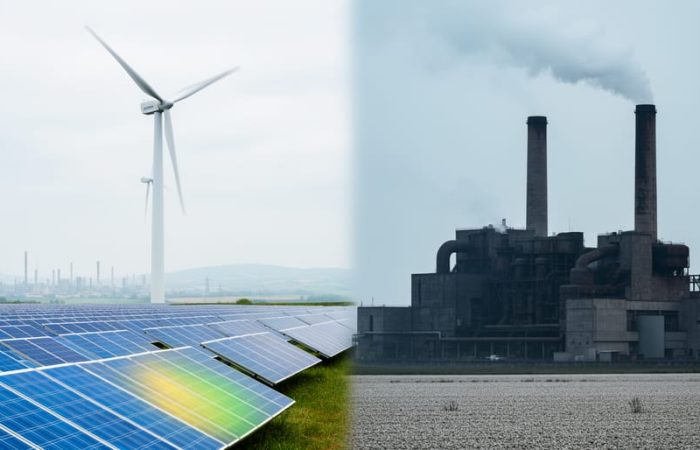
Fossil Fuel vs. Renewable Energy Costs: Key Differences and Which Fits Your Needs
Renewable energy has won the cost battle against fossil fuels in most markets worldwide, with solar and wind now cheaper to build and operate than new coal or gas plants in over 90% of regions. This shift isn’t marginal. Utility-scale solar costs have plummeted more than 80% since 2010, while onshore wind has dropped roughly 70%, making renewables the most economical choice for new electricity generation. For homeowners, businesses, and policymakers evaluating energy investments in 2026, the financial case for renewables is no …

Why Are My Solar Panels Underperforming? Causes and How to Fix It
Most solar panel underperformance stems from a single culprit: accumulated dirt, debris, and shading that blocks sunlight from reaching your cells. Before you assume a major defect or call in costly repairs, check your panels for visible buildup or shadows cast by nearby trees, buildings, or even bird droppings. A simple cleaning or seasonal trimming often restores output by 15 to 25 percent.
If your monitoring system shows a sudden drop in production, start with the easiest diagnostics. Inspect for physical obstructions, verify that your inverter displays normal operation lights, and review recent weather events that may have …

How to Understand and Track CO2 Emission Units Across Linked Carbon Markets
CO2 emission units are tradable certificates that represent the right to emit one metric ton of carbon dioxide or its equivalent greenhouse gas, and they form the foundation of linked carbon markets where businesses can meet climate obligations by purchasing, transferring, or trading these units across jurisdictions. Understanding how to track and manage these units has become essential for companies navigating compliance in an era where more than 70 carbon pricing systems now operate globally, many with reciprocal recognition agreements that allow emission units earned in one market to count toward obligations in another.
The …