
CO2 emission units are tradable certificates that represent the right to emit one metric ton of carbon dioxide or its equivalent greenhouse gas, and they form the foundation of linked carbon markets where businesses can meet climate obligations by purchasing, transferring, or trading these units across jurisdictions. Understanding how to track and manage these units has become essential for companies navigating compliance in an era where more than 70 carbon pricing systems now operate globally, many with reciprocal recognition agreements that allow emission units earned in one market to count toward obligations in another.
The practical challenge isn’t just understanding what these units represent. It’s knowing which units your jurisdiction recognizes, how to verify their legitimacy, and the mechanics of transferring them between registries when regulations permit cross-border use. A European company might need to understand whether offset credits generated from a reforestation project in California can satisfy its EU Emissions Trading System obligations, while a business in Canada’s federal system needs clarity on which provincial units transfer seamlessly and which require additional validation steps.
This guide walks through the essential knowledge and practical processes for working with CO2 emission units in linked markets. You’ll learn what distinguishes different unit types, the registries that track ownership and transfers, and the step-by-step process for ensuring your units meet the specific requirements of your compliance obligations. Whether you’re managing corporate sustainability goals, supporting policy development, or simply seeking to understand how carbon markets function in practice, grasping the fundamentals of emission unit mechanics empowers more informed decisions about climate action. The system may seem complex at first, but breaking it into clear components makes participation accessible and effective.
What CO2 Emission Units Are and How They Work
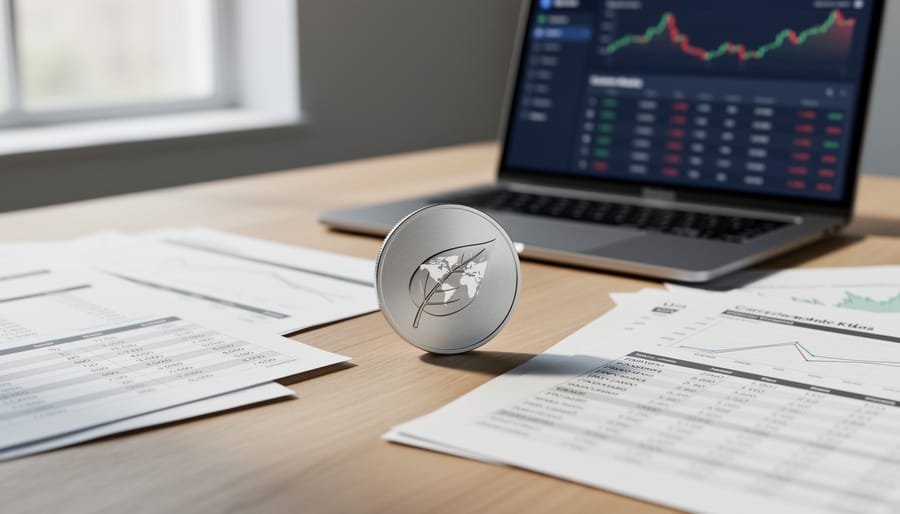
CO2 emission units are standardized permits, each representing the right to emit one metric ton of carbon dioxide equivalent (CO2e) into the atmosphere. Think of them as currency in the carbon market, a regulated system that puts a price on greenhouse gas emissions and creates financial incentives for reducing pollution.
These units get created through two primary mechanisms. Under cap-and-trade systems, governments set a total emissions limit, or cap, for a specific sector or region. They then issue or auction emission units equal to that cap. Companies receive or purchase these units and must surrender enough at year’s end to cover their actual emissions. If they emit less than expected, they can sell surplus units. If they exceed their allocation, they must buy additional units or face penalties.
Baseline-and-credit systems work differently. Here, emission units are generated by projects that reduce emissions below an established baseline, what would have happened without the project. A solar farm replacing coal-fired generation or a forest restoration project sequestering carbon can earn credits for verified reductions. These credits become tradable units that emitters can purchase to offset their own emissions.
The dual nature of emission units makes them powerful climate tools. As compliance instruments, they’re regulatory requirements, factories and power plants must hold enough units to match their emissions or face legal consequences. As tradable commodities, they create a market where the price of carbon signals the cost of pollution. When prices rise, companies invest in cleaner technologies rather than buying expensive permits.
The standardization matters enormously. One unit always equals one metric ton of CO2e, whether it comes from California’s cap-and-trade program or Quebec’s linked system. This consistency allows units to move between jurisdictions through linkage agreements, expanding market liquidity and enabling businesses to find the most cost-effective compliance pathway while maintaining environmental integrity.
Essential Tools and Resources You’ll Need
Tracking CO2 emission units across linked markets requires a specific set of digital tools and official resources. You don’t need expensive proprietary software to get started, most essential tools are publicly accessible, though some require registration.
Your first priority is establishing access to carbon registry platforms. These are the official databases where emission units are created, transferred, and retired. Major registries include the California Air Resources Board Compliance Instrument Tracking System Service, the Quebec Environment Registry, and individual account portals within the EU ETS. Each registry requires account setup with identity verification, but viewing public data is typically free.
Next, you’ll need market monitoring tools to understand pricing and transaction volumes. The Intercontinental Exchange and CME Group publish daily settlement prices for major carbon markets. For broader trends, the Carbon Pricing Dashboard maintained by the World Bank compiles data across systems, while the International Carbon Action Partnership offers policy updates and linkage status reports.
Essential resources organized by function include:
- Tracking tools: Carbon registry accounts for holding and monitoring units, transaction history logs, and blockchain explorers for tokenized credits
- Verification resources: Project databases like the Climate Action Reserve and Verra registry search functions to confirm project validity and certification status
- Conversion aids: Official exchange rate tables published by linked jurisdictions, vintage compatibility charts, and equivalency calculators for different unit types
- Reporting frameworks: Jurisdiction-specific compliance portals, greenhouse gas reporting protocols from organizations like the GHG Protocol, and standardized disclosure templates
For conversion calculations, bookmark your jurisdiction’s official guidance documents. California publishes linkage specifications detailing exactly how Quebec units convert for compliance, while the EU maintains technical registry documentation explaining unit categories and transfer rules.
Finally, create a secure document management system for storing transaction confirmations, verification certificates, and compliance correspondence. Many jurisdictions require you to maintain these records for seven years or longer. Cloud storage with robust backup works well, but ensure you meet any data sovereignty requirements that apply to your operations.
Important Considerations Before Working with Linked Emission Units
Before you begin tracking emission units across linked systems, it’s crucial to understand the regulatory and technical requirements that can make or break your participation. Missteps in this space don’t just waste resources, they can expose your organization to compliance penalties, legal liability, and reputational damage.
Regulatory Compliance: Know Your Obligations
Every jurisdiction sets specific rules about which emission units qualify for compliance and how they must be handled. You can’t assume that units valid in one linked system automatically satisfy requirements in another, even when formal linkage agreements exist. Check vintage restrictions, project type eligibility lists, and quantitative limits on offset usage. Some systems allow unlimited unit transfers between partners, while others cap how many units from linked jurisdictions can count toward your obligation at 10-25%. Missing these nuances means units you’ve purchased might not reduce your compliance burden.
Additionality and Quality Standards
Units only have climate value if they represent genuine GHG emission reduction beyond what would have happened anyway. Verify that offset projects undergo rigorous third-party validation and meet additionality criteria, proving the reductions wouldn’t occur without carbon finance. Low-quality units from projects with weak baselines or questionable permanence have been rejected by regulators, leaving holders with worthless instruments.
Jurisdictional Compatibility Red Flags
Not all linked systems share identical technical specifications. Watch for incompatible vintage dates, some jurisdictions won’t accept units older than three to five years. Confirm that the project type generating your units appears on approved lists in your target jurisdiction; units from sectors like industrial power generation projects may face restrictions in certain systems. Exchange rate mechanisms between linked markets can also shift, affecting unit value unexpectedly.
Documentation and Audit Trails
Maintain comprehensive records from the moment you acquire units. Registries track ownership chains, but internal documentation proving compliance intent, transfer authorizations, and retirement purposes protects you during audits. Incomplete records raise flags with regulators and can delay or derail compliance submissions, even when your units are technically valid.

Step-by-Step: How to Track and Manage CO2 Emission Units in Linked Systems
Step 1: Identify Your Jurisdiction and Linkage Agreements
Start by determining which emission trading system governs your operations. If you manage a facility, check whether your physical location, industry sector, or emissions threshold triggers coverage under a regional or national cap-and-trade program. For offset project developers, identify which systems accept your project type and geography.
Next, research active linkage agreements that connect your primary system to others. Understanding carbon markets linkage reveals where your units hold recognition beyond your home jurisdiction. California and Quebec maintain a bilateral linkage allowing mutual recognition of compliance instruments, meaning a Quebec emission allowance satisfies California obligations and vice versa. The EU ETS has explored connections with Switzerland’s system, establishing reciprocal recognition under specific conditions.
Review each agreement’s recognition rules carefully. Some linkages accept units one-to-one, while others apply conversion ratios or restrict eligible vintages. Download official linkage documentation from your jurisdiction’s environmental authority website. These documents specify which unit types transfer across borders, any quantitative limits on imported units, and compliance deadlines that differ between linked systems. Knowing these parameters before acquiring units prevents costly mistakes and ensures your carbon assets deliver the compliance value you expect.
Step 2: Register with Appropriate Carbon Registries
Creating an account in a carbon registry establishes your official presence in the emission trading system. Start by visiting your jurisdiction’s designated registry platform, for example, CITSS for California’s cap-and-trade program or the Union Registry for EU ETS participants.
You’ll need to determine your entity type during registration. Businesses purchasing units for compliance submit different documentation than project developers creating offset credits or brokers facilitating trades. Most registries require legal entity verification: business registration documents, tax identification numbers, and authorized representative designations.
The verification process typically takes two to six weeks. Regulators review your application, conduct background checks, and may request additional documentation before approval. Once verified, you’ll establish your account type. Holding accounts let you purchase and store emission units without immediate compliance obligations. Compliance accounts, required for regulated entities, allow you to surrender units against your emissions cap.
Set up two-factor authentication and designate multiple authorized users to prevent access issues during critical reporting periods.
Step 3: Understand Unit Conversion and Exchange Rates
When emission units transfer between linked systems, they don’t always move at a simple one-to-one ratio. You need to understand the specific conversion rules governing your systems before assuming units retain identical value.
Start by consulting the linkage agreement between the relevant jurisdictions. Most agreements specify exact conversion ratios, for example, California accepts Quebec carbon allowances at parity (1:1), while some systems apply discounting factors based on unit type or vintage. Check the official regulatory documents rather than relying on secondary sources, as ratios can change with policy updates.
Pay close attention to vintage restrictions. Many systems limit how far back units can originate while remaining eligible for current compliance. A 2022 vintage unit might face different conversion treatment than a 2026 unit, even within the same linkage framework.
Calculate your actual compliance value by multiplying your units by the applicable conversion ratio and subtracting any discount factors. If you hold 100 units with a 0.95 conversion rate, you effectively have 95 compliance units in the receiving system. Document these calculations thoroughly, regulators expect precise accounting during verification, and conversion errors can leave you short on compliance obligations when deadlines arrive.
Step 4: Verify Unit Quality and Eligibility
Once you’ve navigated conversion rates and identified potential units, you must confirm they meet your jurisdiction’s quality standards before committing to any transaction. This verification step protects against compliance failures and wasted investment.
Start by checking the unit’s project certification status in the registry database. Look for verification by recognized bodies like Verra, Gold Standard, or jurisdiction-specific validators. Each unit listing should display its certification level, verification date, and methodology used. Units lacking current certification won’t satisfy most compliance requirements.
Next, confirm additionality, the project must demonstrate emissions reductions that wouldn’t have occurred without carbon market incentives. Review the project documentation section in the registry for additionality assessments and supporting evidence. Projects with weak additionality claims face rejection during compliance review.
Check vintage dates carefully. Most systems set restrictions on how old units can be, typically within three to five years of current compliance period. Units outside your jurisdiction’s acceptable vintage range hold no compliance value, regardless of other qualities.
Finally, verify retirement status. Use the registry’s serial number lookup to confirm units remain active and haven’t been retired elsewhere. Double-retired units create serious legal exposure and compliance penalties that far exceed their purchase cost.
Step 5: Execute Transactions and Maintain Documentation
Once you’re ready to execute transactions, precision and documentation become your safeguards. Whether acquiring units through auction, purchasing on secondary markets, or transferring between accounts, initiate each transaction through your registry’s secure portal. Most platforms require multi-factor authentication and digital signatures to prevent unauthorized transfers.
Record every transaction immediately in both the registry system and your internal tracking spreadsheet or software. Capture the transaction ID, unit serial numbers, quantity, vintage year, transaction date, counterparty details, and purpose (compliance versus trading). This dual documentation protects you if registry data becomes inaccessible and creates the audit trail regulators expect during compliance reviews.
Save all confirmations, receipts, and correspondence as PDFs in a dedicated compliance folder organized by transaction date. For transfers between linked systems, retain conversion calculations and jurisdictional equivalency documentation. When retiring units for compliance, download the retirement certificate immediately, this is your proof of obligation fulfillment.
Set calendar reminders for reporting deadlines and conduct monthly reconciliations comparing registry balances against your internal records. Discrepancies caught early prevent compliance emergencies later.
Step 6: Submit Compliance Reports and Retire Units
Compliance obligations culminate in submitting verified emissions data and permanently retiring units to match your reported footprint. Most jurisdictions set annual reporting windows, typically in the first quarter following the compliance year, with strict deadlines enforced through penalties. You’ll submit audited emissions reports through your jurisdiction’s regulatory portal, attaching verification statements from accredited third parties.
Retirement differs fundamentally from transfer: transferred units remain active and can be traded again, while retired units are permanently removed from circulation and credited to your compliance account. Through your registry interface, select units matching your emissions total and initiate retirement for the specific compliance period. The system marks these units as “retired for compliance” with your entity identifier, creating an immutable record that satisfies regulatory obligations.
After retirement, download your compliance confirmation certificate from the regulatory authority’s portal. This document proves obligation fulfillment and protects against future audits. File it alongside your emissions reports, verification statements, and transaction records. Missing deadlines triggers penalties that typically exceed the cost of purchasing units, making calendar management essential for compliance success.
How to Verify Your Work and Ensure Compliance

After completing your transactions and submissions, thorough verification confirms your compliance obligations are fully met and protects against costly errors or regulatory penalties.
Start by logging into each relevant carbon registry where you hold or have transferred units. Navigate to the transaction history section and confirm that all transfers appear with “completed” status, matching your internal records exactly. Check retirement certificates for permanent unit cancellations, verifying the quantity, vintage, and serial numbers align with your compliance submission. Most registries provide downloadable verification reports showing the complete chain of custody from issuance through retirement.
Cross-reference your registry confirmations against official regulatory databases maintained by your jurisdiction’s environmental authority. These databases typically update within 24 to 48 hours of transactions and display public compliance information. Search for your facility or entity ID to confirm that retired units have been properly credited toward your obligations and that your compliance status shows as “met” or “in good standing.”
Conduct an internal audit using this verification checklist:
- All transaction receipts and registry confirmations are saved and dated
- Unit serial numbers match across purchase records, transfer documents, and retirement certificates
- Vintage dates fall within acceptable compliance periods for your jurisdiction
- Total units retired equal or exceed your calculated emissions obligation
- No units were double-counted across multiple compliance periods
- Third-party verification statements are current and signed where required
- Regulatory submission confirmations show successful receipt and acceptance
For high-stakes compliance or complex multi-jurisdictional operations, engage an accredited third-party verifier to review your complete documentation package. These independent auditors assess whether your tracking, transfers, and retirements meet regulatory standards and ISO 14064 protocols.
Successful verification means receiving written confirmation from your regulatory authority that your compliance obligation is fulfilled. This typically arrives within 30 to 90 days of your submission deadline. Store all verification documents for the required retention period, usually seven years, and update your internal compliance calendar with next year’s deadlines and projected unit needs.
Real-World Applications: Making Linkage Work for Climate Action
Linked emission unit systems deliver measurable climate progress when participants understand how to use them strategically. A California manufacturer reduced compliance costs by 22% after sourcing Quebec-issued carbon allowances through the Western Climate Initiative’s linked market, accessing lower-priced units while maintaining full regulatory compliance. The company’s environmental manager credits clear conversion protocols and reliable registry verification for making cross-border transactions as straightforward as domestic purchases.
Project developers in developing nations have found linkage creates new revenue streams. A renewable energy initiative in Indonesia gained access to European buyers after its carbon credits achieved recognition under bilateral agreements, expanding its market from regional purchasers to international corporations seeking high-quality offsets. This market access funded additional community solar installations that wouldn’t have been financially viable without linked system participation.
Government partnerships show linkage’s policy potential. When Switzerland and the EU connected their emission trading systems in 2020, participants gained flexibility while both jurisdictions maintained environmental integrity through stringent quality standards. Aviation companies operating across both regions now manage compliance through a single streamlined process, reducing administrative burden by an estimated 35%.
These examples demonstrate that technical processes translate into real-world benefits: lower costs for regulated entities, expanded opportunities for climate projects, and simplified compliance that frees resources for actual emissions reduction. Following 2026 carbon updates helps participants identify new linkage opportunities as markets continue evolving.
Common Questions About CO2 Emission Units and Linkage
Can I use emission units from one jurisdiction to meet compliance requirements in another?
Only if the two jurisdictions have an active linkage agreement that explicitly recognizes units from each system. Check your jurisdiction’s regulatory authority website for current linkage agreements and any restrictions on unit types, vintages, or volumes that apply.
How much do emission units typically cost, and do prices differ between linked systems?
Prices vary based on market conditions, regulatory design, and demand but typically range from $15 to $100 per metric ton across major systems. Linked systems often see price convergence over time, though temporary differentials may create arbitrage opportunities before markets equilibrate. Those shifting spreads and eventual convergence are easier to follow through emission diagrams for carbon credit linkage.
How long does it take to transfer units between linked registries?
Standard transfers typically take three to ten business days, though first-time transactions may require additional verification steps. Plan ahead of compliance deadlines, as delays during peak reporting periods can extend processing times.
What happens if my emission units are rejected during compliance verification?
Rejected units usually fail due to vintage issues, additionality concerns, or documentation gaps. You’ll receive a rejection notice specifying the reason, and you’ll need to acquire replacement units before the compliance deadline to avoid penalties.
Do all carbon registries use the same tracking standards?
No. While most major registries follow International Carbon Reduction and Offset Alliance standards or similar frameworks, tracking protocols, reporting requirements, and verification processes differ. Familiarize yourself with the specific requirements of each registry where you hold accounts.
Can I trade emission units on secondary markets before retirement?
Yes, provided your registry account allows trading and the units meet the receiving jurisdiction’s eligibility criteria. Secondary market transactions require the same documentation and verification as primary acquisitions, and you remain responsible for ensuring unit validity through retirement.
Beyond these common questions, understanding the nuances of linked systems becomes easier with practice. Many jurisdictions offer guidance documents, webinars, and help desks specifically for entities navigating cross-border compliance. When you encounter unusual situations, consulting with a carbon market specialist or reaching out directly to your registry administrator often provides the clearest path forward. Most compliance issues stem from misunderstanding vintage restrictions or conversion rates rather than fundamental system incompatibilities, so careful attention to these details during your initial transactions builds confidence for future participation.
The carbon market landscape continues evolving as more jurisdictions establish linkages and refine their systems. Staying informed through registry newsletters, regulatory updates, and community networks ensures you can adapt to changes and maintain compliant participation as linkage agreements expand.
Moving Forward: Your Next Steps in Carbon Market Participation

You now have a practical framework for understanding and managing CO2 emission units across linked carbon markets. The technical details matter, but they serve a larger purpose: enabling you to participate meaningfully in global climate solutions while meeting compliance obligations or supporting verified emission reduction projects.
Begin with small, concrete steps. If you’re representing a business, start by registering with your jurisdiction’s primary carbon registry and familiarizing yourself with its interface. Schedule time to review your first quarterly compliance report, even if your actual submission is months away. For individuals exploring voluntary offset purchases, choose one reputable registry and explore its public project database before making commitments.
The learning curve is real, but you don’t need to master every system simultaneously. Focus on the jurisdictions and transaction types most relevant to your immediate needs, then expand your knowledge as opportunities arise. Many registries offer free webinars, and regulatory agencies provide guidance documents that demystify complex processes.
Your participation extends beyond individual compliance or offsetting. Each properly tracked and retired emission unit represents verified climate action, and linked systems amplify that impact by driving efficiency and innovation across borders. By engaging with these markets thoughtfully, you contribute to price signals that make clean energy more competitive and fossil fuels less economically attractive.
The Mining the Sun community offers ongoing support as you navigate this evolving landscape. Access our educational resources on carbon market developments, connect with others working toward climate justice, and explore opportunities to support high-quality offset projects that align with your values. Climate action requires collective effort, and understanding emission units is your entry point into this critical work.