

The five main non renewable energy sources are coal, oil, natural gas, nuclear (uranium), and peat.

How Much Does Cost Containment in Emissions Trading Systems Cost? (2026)
Many systems include de minimis thresholds or simplified compliance pathways for facilities emitting below specific levels, often 25,000 tons CO₂e…

EU Emissions Trading System (EU ETS): How It Works, Who Participates, and Compliance Steps
The EU Emissions Trading System is Europe’s cap-and-trade carbon market, established in 2005 as the cornerstone of EU climate policy.

What Are Renewable Energy Transitions (and How Do They Work)?
A renewable energy transition is the structural shift of an electricity or energy system away from fossil fuels toward renewable sources like solar, wind, hydroelectric, and geothermal power, fundamentally changing how energy is generated, distributed, and consumed.
This transformation isn’t just about swapping coal plants for solar farms. It represents a complete redesign of energy infrastructure, market structures, workforce training, and community planning. The stakes are clear: energy systems account for roughly three-quarters of global greenhouse gas emissions, making this transition the single most powerful lever for …

How to Read and Create Emission Diagrams for Carbon Credit Linkage
Emission diagrams are visual maps that track how carbon credits and emission units flow between linked carbon markets, registries, and compliance systems. They help you verify that a credit issued in one jurisdiction is properly recognized, transferred, and retired in another without being double-counted or orphaned along the way. For sustainability professionals navigating linked systems under frameworks like the EU ETS or Article 6 of the Paris Agreement, these diagrams serve as both a compliance safeguard and a transparency tool, showing exactly where a unit originates, how it …

Why Are My Solar Panels Underperforming? Causes and How to Fix It
Most solar panel underperformance stems from a single culprit: accumulated dirt, debris, and shading that blocks sunlight from reaching your cells. Before you assume a major defect or call in costly repairs, check your panels for visible buildup or shadows cast by nearby trees, buildings, or even bird droppings. A simple cleaning or seasonal trimming often restores output by 15 to 25 percent.
If your monitoring system shows a sudden drop in production, start with the easiest diagnostics. Inspect for physical obstructions, verify that your inverter displays normal operation lights, and review recent weather events that may have …

How to Understand and Track CO2 Emission Units Across Linked Carbon Markets
CO2 emission units are tradable certificates that represent the right to emit one metric ton of carbon dioxide or its equivalent greenhouse gas, and they form the foundation of linked carbon markets where businesses can meet climate obligations by purchasing, transferring, or trading these units across jurisdictions. Understanding how to track and manage these units has become essential for companies navigating compliance in an era where more than 70 carbon pricing systems now operate globally, many with reciprocal recognition agreements that allow emission units earned in one market to count toward obligations in another.
The …

What Is GHG Emission Reduction (and How Does It Work)?
GHG emission reduction is the deliberate process of lowering the amount of greenhouse gases released into the atmosphere through changes in energy systems, industrial practices, transportation, land use, and consumption patterns. These gases, primarily carbon dioxide, methane, and nitrous oxide, trap heat in the Earth’s atmosphere and drive climate change. Reducing them is no longer optional for governments, businesses, or communities aiming to limit global temperature rise and its cascading impacts.
The challenge is real, but so is the momentum. By 2026, emission reduction has evolved from a theoretical target into a set of …
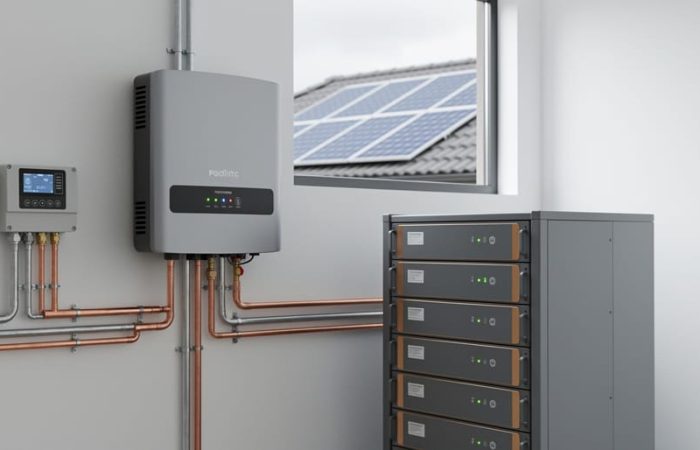
How to Size Batteries for Solar Panels: The Right Calculation for Your Energy Freedom
Calculate your daily energy consumption in watt-hours by reviewing your electricity bills or using a power monitor to track actual usage over several days. Multiply this figure by the number of days you want backup power (typically 1-3 days for most residential systems), then divide by your battery’s depth of discharge rating. For example, if you use 30,000 watt-hours daily and want two days of autonomy with lithium batteries rated at 80% depth of discharge, you’ll need 75,000 watt-hours (or 75 kilowatt-hours) of battery capacity.
In the interest of …
What Size Battery Do I Need for a 5KW Solar System
In recent years, solar energy has gained significant traction as a clean and sustainable alternative to traditional fossil fuels. Solar systems have become increasingly popular as individuals and businesses strive to reduce their carbon footprint and lower energy costs. A key aspect of harnessing the full potential of solar energy lies in energy storage solutions, specifically batteries, to ensure consistent power availability. Thankfully, tools like the battery capacity calculator can assist you in making an informed decision. If you’re …