Category: Climate Change

What Is Industrial Power Generation (and How Does It Hinder Green Energy)?

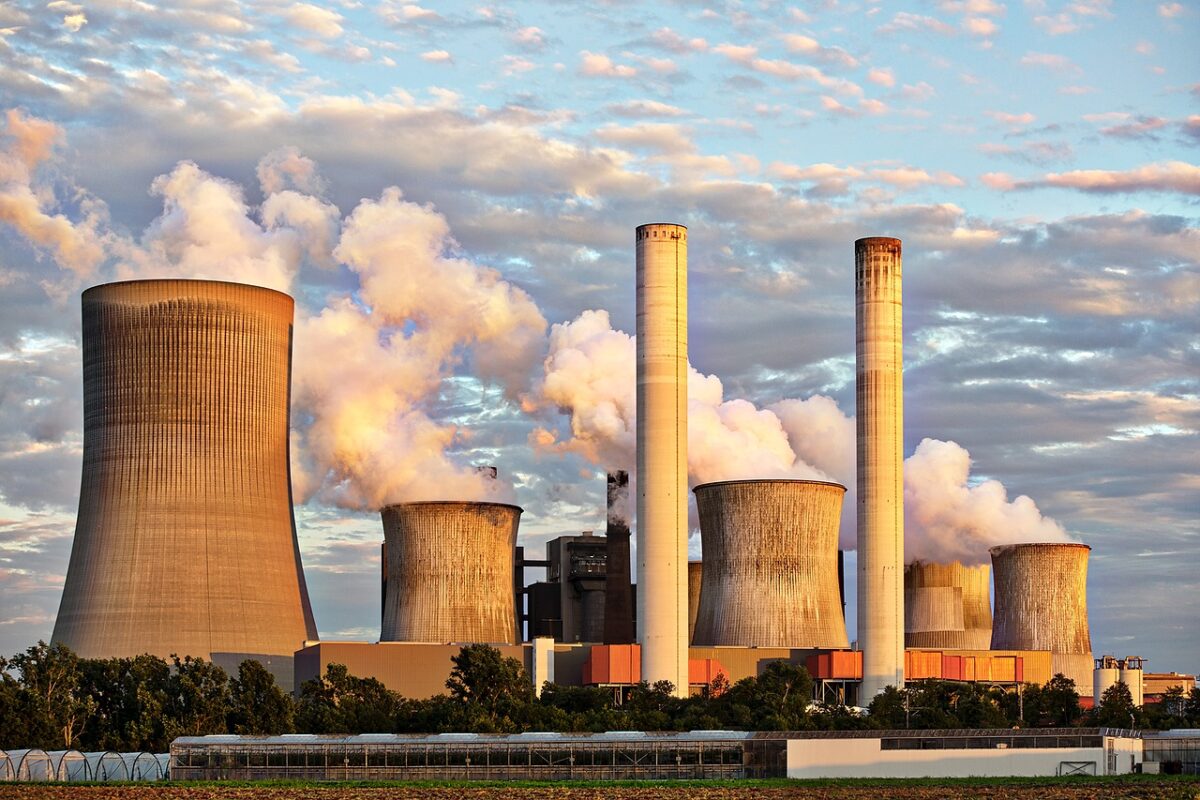
Industrial power generation is the large-scale production of electricity by utilities and independent producers to supply the electrical grid, encompassing everything from coal and natural gas plants to nuclear facilities and renewable installations. This foundation of modern infrastructure powers factories, offices, hospitals, and homes, yet the system itself has become a flashpoint in the transition to clean energy.
Understanding how industrial power generation works matters now more than ever because the companies operating these systems hold …
What Is GHG Emission Reduction (and How Does It Work)?

GHG emission reduction is the deliberate process of lowering the amount of greenhouse gases released into the atmosphere through changes in energy systems, industrial practices, transportation, land use, and consumption patterns. These gases, primarily carbon dioxide, methane, and nitrous oxide, trap heat in the Earth’s atmosphere and drive climate change. Reducing them is no longer optional for governments, businesses, or communities aiming to limit global temperature rise and its cascading impacts.
The challenge is real, but so is the momentum. By 2026, emission reduction has evolved from a theoretical target into a set of …

How Power Companies are Stopping Green Energy Transition

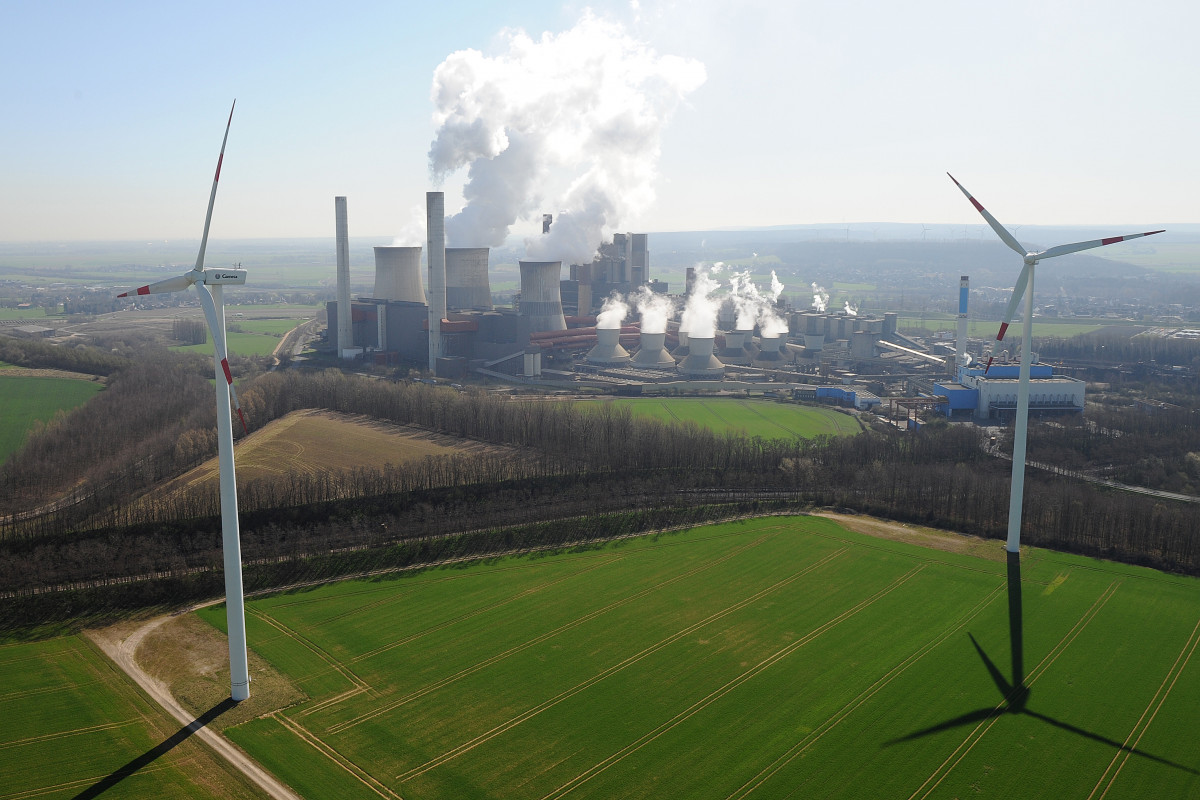
According to the studies, only 10 percent of the energy suppliers fully invest in prioritizing renewable energy sources. Even those who so-called pledge for greener energy are still affiliated with companies that utilize fossil fuels. In progressive countries, there is already a significant portion of the energy industry that is invested in renewable energy resources.
Even with that growth, there is a noticeable resistance to a smooth transition.
Based on the analysis, the utility sector is to be blamed for such hindering since most of them are government-owned or owned privately with ties to fossil fuel-based companies. As …

Environmental Justice

The presence of greenhouse gas emissions is indicator of the ongoing operations of polluting practices of certain industries. Traffic congestions, forest clearings, and waste mismanagement are some of the situations that give more opportunities to emit unwanted gases. Currently, the most notable contributors of pollutants are the fossil fuel-based companies and the transportation sector.
Establishing ETS can promote the environmental objective to monitor and lessen the emissions to improve air quality. Trading of allowances pressures the entities involved to be vigilant on their negative by-products and provides potential profit …

Sectors And Gases

Emissions of greenhouse gases very differently from one sector to the other. In industrialized countries, solid waste accounts for 5 – 10 percent of greenhouse gas emissions, while the power and manufacturing industries account for 40 – 50 percent. Justifications for such emissions can also vary due to unpredictable circumstances like sudden inefficiencies of the systems used.
The role of carbon pricing has been increasingly important to prevent such circumstances and maintain the purpose of reducing emissions. Additionally, carbon pricing accesses more information for future studies and opens more innovation opportunities to …

A Transition From Coal to Clean Energy

The state of Oregon has been one of the leading states in terms of sustainability. The people are very driven in their quest for a better quality of water and air. In all of the USA, the state is only the second to adopt standards on low carbon fuel. It sounds too good to be true, but yet, somehow, it is actually partially true.
It is a fact that Oregon got its energy from renewables but unsurprisingly, it comprises only a majority of the state’s energy sector. A third portion comes from the coal-fired industries, but they are not from Oregon since no coal-based facilities are allowed to operate as of 2020. Companies outside …