
Industrial power generation is the large-scale production of electricity by utilities and independent producers to supply the electrical grid, encompassing everything from coal and natural gas plants to nuclear facilities and renewable installations. This foundation of modern infrastructure powers factories, offices, hospitals, and homes, yet the system itself has become a flashpoint in the transition to clean energy.
Understanding how industrial power generation works matters now more than ever because the companies operating these systems hold significant influence over whether renewable projects connect to the grid or languish in years-long queues. When a solar farm or wind installation receives approval to build, it still needs permission to plug into the transmission network. That connection process, controlled largely by established utilities and network operators, has become a major bottleneck slowing the renewable transition.
The tension is real and measurable. On 8 December 2025, Ofgem unveiled proposals to speed up grid connections, warning network operators to hit tough new targets or risk facing financial penalties. The regulator’s enforcement framework now includes stronger licence requirements and tougher penalties to deter breaches, signaling that the status quo is no longer acceptable.
This article unpacks both sides of the industrial power generation story: what these systems are, how they function, and the structural barriers that keep cleaner alternatives waiting on the sidelines. You’ll discover the technical realities of grid infrastructure, the regulatory levers available to accelerate change, and practical steps communities and advocates can take to push for faster renewable connections. The path forward requires understanding the machinery of power, and the forces resisting its evolution.
What Industrial Power Generation Means
Industrial power generation refers to the large-scale production of electricity at centralized facilities, typically measured in megawatts or gigawatts, designed to supply entire cities, regions, or industrial complexes. Unlike the solar panels on your roof or a community wind turbine, these are the massive power stations you see from the highway, coal plants with towering smokestacks, sprawling natural gas facilities, nuclear reactors behind security perimeters, and increasingly, utility-scale solar farms and offshore wind arrays. The defining characteristic is scale: these facilities generate enough electricity to power hundreds of thousands of homes simultaneously, feeding power into high-voltage transmission networks that carry it across vast distances.
- Industrial Power Generation
- Large-scale electricity production at centralized facilities, typically producing 100 megawatts or more, designed to supply entire regions through transmission grids.
- Baseload Power
- The minimum amount of electricity that must be continuously available to meet constant demand, traditionally supplied by coal, nuclear, or gas plants that run around the clock.
- Centralized Generation
- An energy system where electricity is produced at a small number of large facilities and distributed outward, as opposed to distributed generation where power is produced close to where it’s consumed.
- Grid Infrastructure
- The network of transmission lines, substations, transformers, and distribution systems that carries electricity from centralized power plants to end users.
- Legacy Assets
- Existing power plants and infrastructure built decades ago, often fossil-fueled, representing billions in investment that utilities want to fully depreciate before replacement.
The distinction from distributed generation matters because industrial power generation creates path dependency. When a utility builds a coal plant costing $3 billion with an expected 40-year lifespan, that investment shapes decades of business decisions, regulatory structures, and grid architecture. The transmission lines, substations, and operational practices all assume centralized generation, making it structurally difficult to pivot toward renewables that produce power where and when conditions allow rather than on utility-controlled schedules. This architecture wasn’t designed with flexibility in mind, which is precisely why legacy systems resist the kind of rapid change the climate crisis demands.
How Industrial Power Generation Works
The Traditional Generation Model
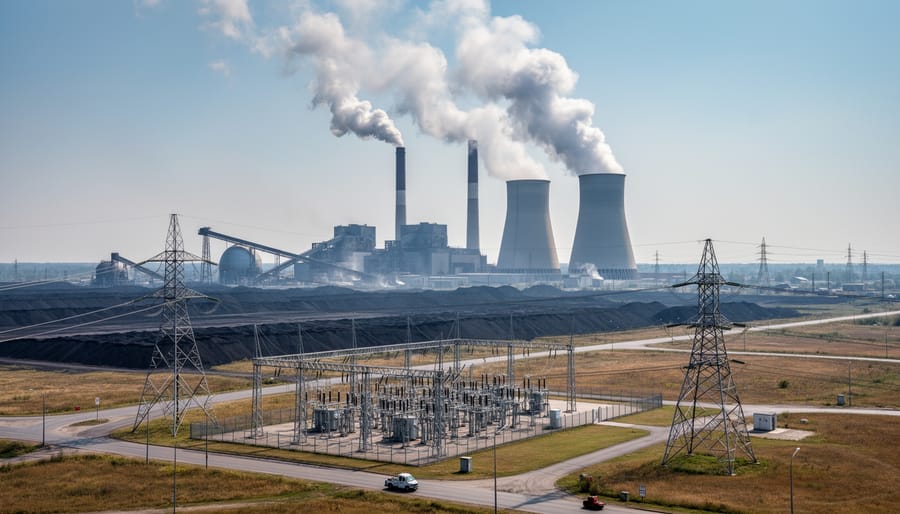
Traditional power plants operate on a straightforward principle: burn fuel to boil water, create steam, spin turbines, generate electricity. Coal plants pulverize and combust coal in massive boilers, gas plants burn natural gas in combustion turbines, and nuclear reactors split uranium atoms to release heat, but all three convert that thermal energy into the mechanical rotation that drives electrical generators. This process happens at enormous scale, with a single coal or nuclear facility producing 500 to 1,000 megawatts or more, enough to power hundreds of thousands of homes.
The economics of these systems lock utilities into decades-long commitments. Building a coal plant or nuclear reactor costs billions of pounds, requires years of permitting and construction, and demands highly trained operators to run safely. Once online, these facilities must operate continuously to justify their expense, and investors expect steady returns over the asset’s entire lifespan. Nuclear plants have about 50 years of service ahead of them; coal plants often run for 30 to 40 years before retirement. That capital intensity creates powerful financial incentives to keep burning fuel rather than pivot to new generation methods, even when cleaner alternatives emerge.
Grid Infrastructure and Centralization
The electricity grid was designed in an era when power flowed in one direction: from massive centralized plants through high-voltage transmission lines to substations, then down through distribution networks to homes and businesses. This hub-and-spoke architecture made economic sense when economies of scale favored building a few giant facilities rather than thousands of small ones. Utilities constructed robust transmission corridors to carry electricity hundreds of miles from remote coal or nuclear plants to population centers, creating a system optimized for centralized generation and one-way power flow.
This infrastructure now creates friction for distributed renewable sources that generate power closer to where it’s consumed. When rooftop solar, wind farms, or community solar projects feed electricity back into the grid, they challenge assumptions baked into decades-old equipment and planning. Distribution networks weren’t engineered to handle bidirectional flows or the variable output patterns of renewables. Transformers, protection systems, and voltage management equipment must be upgraded to accommodate new generation points, a costly and time-intensive process that utilities often prioritize below maintaining existing assets.
The centralized model also concentrates control at transmission network operators, who manage connection queues and approve grid access for new generators. When renewable projects outnumber available connection points, delays stretch into years. The system treats each new solar or wind installation as an addition requiring study and upgrades, rather than as distributed capacity that could reduce strain on transmission infrastructure. This creates bottlenecks that keep clean energy offline while fossil fuel plants continue operating, not because renewables lack technical merit, but because the grid’s architecture privileges the generation model it was built to serve.
Types of Industrial Power Generation
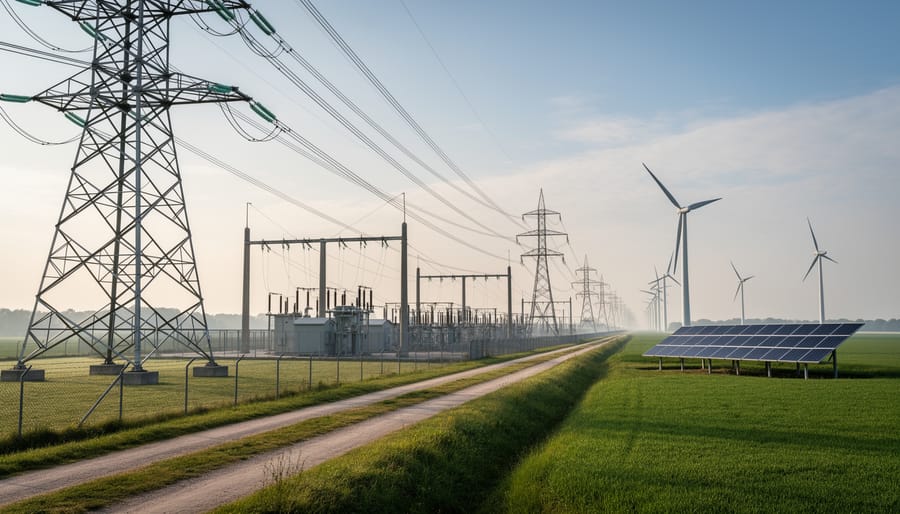
Industrial power generation encompasses several distinct technologies, each with its own economic logic, operational characteristics, and relationship to the renewable transition. Coal-fired plants have historically dominated the global electricity mix, burning pulverized coal to heat water and drive steam turbines. These facilities represent enormous sunk capital, often billions of dollars per plant, and their 40-year operational lifespans create powerful financial incentives for utilities to keep them running. Coal generators resist green energy most directly because renewables eliminate the fuel purchases that justify their continued operation, turning expensive infrastructure into stranded assets.
Natural gas plants have become the preferred fossil fuel option in many markets, offering faster ramping capabilities that theoretically complement intermittent renewables. Combined-cycle gas turbines achieve higher efficiency than coal and produce roughly half the carbon emissions per unit of electricity. Yet this “bridge fuel” framing obscures how gas infrastructure locks in decades of methane dependence. Utilities invest heavily in gas pipelines, storage facilities, and peaker plants, creating the same asset-protection dynamics that slow the renewable transition.
Nuclear power generates electricity through controlled fission reactions, producing no direct carbon emissions but requiring extraordinary upfront investment and decades-long construction timelines. Existing nuclear plants face decommissioning decisions as they age, and the industry’s high costs make new builds economically challenging compared to rapidly cheapening solar and wind. While nuclear doesn’t resist renewables through the same fuel-based business model as fossil plants, its capital intensity and regulatory complexity absorb resources that could accelerate distributed clean energy.
Hydroelectric dams have provided renewable baseload power for over a century, using water flow to spin turbines without combustion. Large hydro projects share the centralized infrastructure model of fossil generation, massive capital costs, long build times, permanent landscape alterations, but without fuel dependency. They integrate more easily with new renewables than thermal plants do, though environmental concerns and limited suitable sites constrain expansion.
Emerging large-scale renewables like utility-scale solar farms and offshore wind projects represent industrial power generation that aligns with climate goals. These facilities generate hundreds of megawatts from clean sources but still operate within the centralized model that favors incumbent utilities. The industry’s resistance comes less from the technology itself than from who controls it and how quickly it displaces legacy assets.
Where Industrial Power Generation Is Used and Applied
Industrial power generation serves as the backbone of electricity supply in contexts where demand is concentrated, continuous, and far exceeds what distributed sources can currently deliver. Metropolitan areas rely on centralized plants to meet the baseload needs of millions: hospitals, public transit systems, street lighting, water treatment facilities, and the dense residential and commercial buildings that define city life. A single coal or natural gas plant can output 500 megawatts or more, enough to power hundreds of thousands of homes, making it the most straightforward solution for grid operators managing urban consumption peaks.
Heavy industry presents an even starker case for industrial-scale generation. Steel mills, chemical refineries, aluminum smelters, and cement plants consume electricity in quantities that dwarf household use, often requiring uninterrupted supply and stable voltage. These facilities cluster in industrial corridors where proximity to centralized generation and transmission infrastructure reduces costs and improves reliability. Shifting such operations to distributed renewables would demand battery storage and grid upgrades that remain prohibitively expensive in most markets.
Data centers have emerged as a defining use case for industrial power in the digital economy. A single hyperscale facility can draw 100 megawatts continuously, the output of a mid-sized power plant, to run servers, cooling systems, and network equipment. Tech companies site these centers near reliable generation sources, and utilities build or retrofit plants to serve them, locking in decades-long contracts that reinforce the centralized model.
The geography and economics of industrial generation entrench its dominance in specific contexts:
- Metropolitan grid systems serving dense populations where distributed generation cannot scale fast enough to meet demand
- Heavy industry zones requiring stable, high-volume electricity for manufacturing processes
- Developing economies scaling electricity access rapidly through centralized plants rather than building distributed infrastructure from scratch
- Remote locations with limited renewable potential, low wind, insufficient sunlight, or challenging terrain, where fossil or nuclear generation remains the most viable option
Developing nations face a particularly acute trade-off. Building a coal plant delivers electricity access to millions within a few years, while distributed solar and wind require coordinated grid upgrades, financing mechanisms, and regulatory frameworks that take decades to establish. This economic logic explains why industrial generation continues to expand globally even as wealthy nations begin their transitions, and why arguments for rapid decarbonization must reckon with the infrastructure realities facing countries still electrifying their economies.
How Power Companies Hinder Green Energy Transitions
Grid Connection Bottlenecks
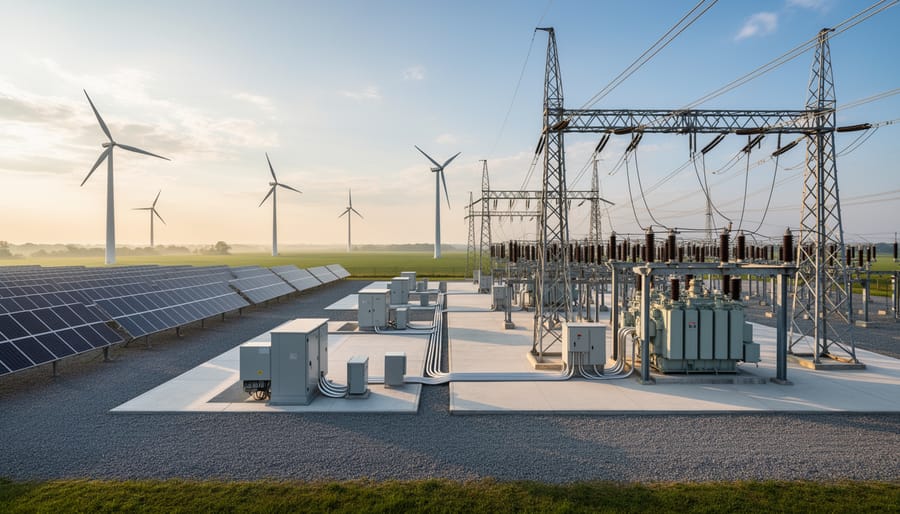
Renewable energy projects often face years-long waits to connect to the grid, creating a critical bottleneck in the transition away from fossil fuels. These connection queues exist because network operators must assess capacity, plan infrastructure upgrades, and coordinate with existing generators before connecting new renewable facilities. What should take months stretches into multi-year timelines, leaving solar farms, wind projects, and battery storage stuck in administrative limbo while fossil fuel plants continue operating.
The delays compound: projects secure planning permission and financing, but cannot generate revenue until they receive grid connection dates. Some developers abandon projects after waiting too long. Others face cost overruns as construction materials and financing costs rise during extended queue periods. The bottleneck particularly affects smaller renewable developers who lack the resources to navigate complex connection processes or absorb long waiting periods.
Regulators have begun responding to mounting pressure. On 8 December 2025, Ofgem unveiled proposals to speed up grid connections by setting tough new targets for network operators, backed by stronger licence requirements and tougher enforcement and financial penalties for operators who fail to meet them. Whether these measures deliver the rapid transformation needed remains to be seen, but they signal growing recognition that connection delays represent a structural barrier utilities can no longer ignore.
Economic Incentives to Protect Legacy Assets
Power companies operate under a financial model that makes abandoning fossil fuel infrastructure economically painful. When a utility builds a coal plant or gas facility, regulators typically allow them to recover that investment, plus a guaranteed profit margin, through customer rates over 30 to 50 years. Shutting down a plant early creates what the industry calls a “stranded asset”: billions in capital that can no longer generate returns.
This isn’t just about sunk costs. Rate-of-return regulation rewards utilities for the size of their capital investments. The larger the asset base, power plants, transmission lines, substations, the higher the profit they’re entitled to collect. Building new renewable infrastructure might seem like a solution, but decommissioning existing plants without full cost recovery threatens shareholder returns and credit ratings. Utilities face pressure from investors to protect these guaranteed revenue streams.
The result is a structural bias toward incremental change. Companies lobby to extend plant lifespans, delay retirement schedules, and slow the pace of renewable integration. It’s not purely obstruction, it’s the predictable outcome of a regulatory framework that ties profits to physical infrastructure rather than clean energy delivery. Reforming these incentives requires rethinking how we compensate utilities for the transition itself.
Regulatory Capture and Policy Influence
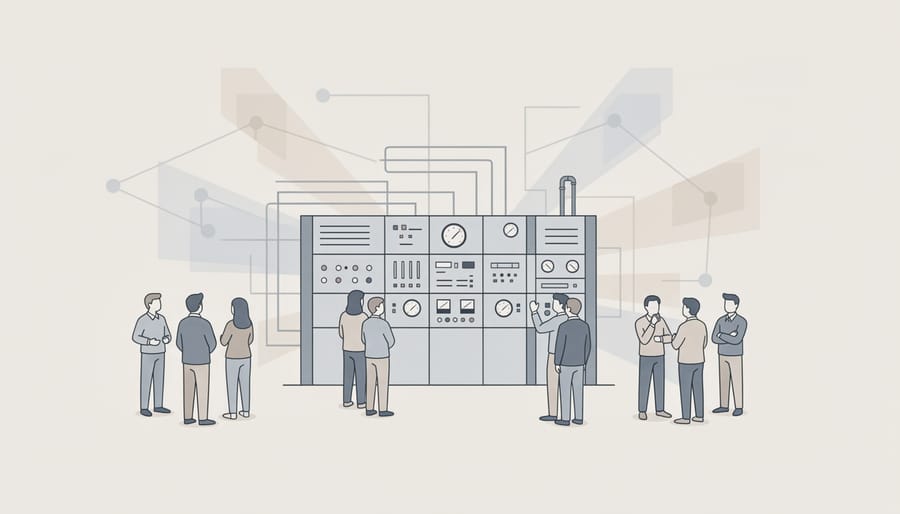
Power companies maintain significant influence over energy policy through three primary channels: direct lobbying of legislators and regulators, strategic representation on industry advisory boards and technical committees, and political contributions that align policy outcomes with incumbent interests. This influence isn’t necessarily conspiratorial, utilities often participate legitimately in policy development, but it creates a structural bias toward incremental change that protects existing assets and business models.
The result is a regulatory environment that favors gradual transitions over rapid transformation. Rate structures continue to reward capital-intensive centralized infrastructure, grid connection rules evolve slowly despite mounting backlash, and policy frameworks preserve utilities’ position as gatekeepers even when distributed renewable generation could bypass them. Industry voices carry disproportionate weight in technical standards-setting, where procedural complexity and specialized knowledge create barriers to public participation.
This dynamic explains why enforcement measures like Ofgem’s December 2025 proposals for tougher penalties and stronger license requirements often emerge only after years of delays and mounting political pressure. Regulators operate within policy frameworks that utilities helped design, creating a system that requires persistent advocacy and public scrutiny to shift toward outcomes that accelerate rather than hinder the energy transition.
Enforcement Mechanisms and Accountability
Energy regulators hold significant powers to hold power companies accountable when they fail to meet market obligations or delay renewable connections. These enforcement mechanisms determine whether the transition to clean energy moves at the pace climate science demands or stalls behind procedural barriers.
Ofgem, the UK’s energy regulator, investigates cases where companies breach energy market rules. When violations are confirmed, the regulator can deploy several enforcement tools:
- Investigations to determine whether companies are complying with licence conditions and market rules
- Financial penalties designed to deter future breaches and signal regulatory seriousness
- Compensation orders requiring companies to reimburse affected consumers directly
- Mandatory operational changes forcing companies to reform services and processes
The credibility of enforcement depends on regulators’ willingness to use these powers decisively. In December 2025, Ofgem unveiled proposals to speed up grid connections by warning network operators they must hit tough new targets or face financial penalties. These proposals included stronger licence requirements and tougher enforcement standards, acknowledging that voluntary compliance had failed to clear the renewable energy queue.
Yet enforcement alone cannot override the structural incentives that make delays profitable for utilities. Financial penalties must exceed the revenue companies gain from stalling competitors, and investigations must conclude quickly enough to deter ongoing violations rather than punish ancient history. The gap between regulatory authority on paper and its application in practice often determines whether enforcement accelerates transitions or becomes another bureaucratic layer that incumbents navigate while maintaining control.
Transparency matters too. Public access to enforcement cases, penalty amounts, and compliance timelines creates accountability that closed-door negotiations cannot. When regulators publish detailed case outcomes, advocates and journalists can track patterns and pressure both companies and regulators to act with urgency matching the climate crisis.
Common Questions About Industrial Power and Green Energy
The shift from industrial power generation to renewable energy raises practical questions for anyone navigating the energy sector. Here are answers to the most common concerns about grid delays, project queues, and regulatory oversight.
How do you fix grid connection delays?
Grid connection delays require regulatory intervention and process reform. On 8 December 2025, Ofgem unveiled proposals to speed up grid connections by setting tough new targets for network operators, backed by financial penalties for those who fail to meet them. These reforms aim to streamline approval processes and hold utilities accountable for unreasonable bottlenecks.
Why are clean energy projects stuck in the queue?
Clean energy projects face lengthy connection queues because the grid was designed for centralized fossil fuel generation, not distributed renewables. Network operators have limited capacity to process applications, and some utilities lack incentive to prioritize projects that compete with their existing assets. The queue system also allows speculative applications to block slots without firm development plans.
What powers does Ofgem have over energy companies?
Ofgem investigates whether energy companies comply with market rules and can impose financial penalties to deter breaches, order companies to compensate consumers, and require changes to services. The regulator’s December 2025 proposals strengthen these powers with tougher licence requirements and enhanced enforcement mechanisms for grid connection failures.
Can renewable projects bypass the traditional grid connection process?
Some renewable projects use alternative models like private wire arrangements or behind-the-meter installations that serve onsite loads, reducing dependence on grid connections. However, large-scale renewables intended to supply the wider network still require formal grid connection agreements, making regulatory reform essential for accelerating the energy transition.
These questions reflect the real challenges communities and developers face when advocating for faster renewable deployment. Understanding the regulatory landscape helps you identify leverage points for change, whether you’re a policy advocate pushing for stronger enforcement, a developer navigating the connection queue, or a community member demanding accountability from your local utility. The technical barriers are real, but they’re not immovable when regulators use their enforcement powers effectively and consistently.
Pathways to a Just Energy Transition
A just energy transition requires more than good intentions, it demands deliberate policy design, investment in modern infrastructure, and genuine opportunities for communities to participate in and benefit from the shift to clean energy. The solutions exist; the challenge lies in deploying them at the scale and speed climate science demands while ensuring those most affected by fossil fuel dependence aren’t left behind.
Policy reforms that have demonstrated success include feed-in tariffs guaranteeing long-term payment rates for renewable generators, renewable portfolio standards requiring utilities to source specific percentages of power from clean sources by set deadlines, and competitive auctions that drive down costs while ensuring grid access. Countries that combine these mechanisms with streamlined permitting, Germany reduced connection approval times from years to months through process reforms, show that regulatory change can accelerate deployment without compromising safety or reliability. Ofgem’s December 2025 proposals for tougher enforcement and financial penalties on network operators who miss connection targets represent this approach: setting clear deadlines, backing them with consequences, and removing the discretion that allows delays to compound.
Community energy models shift ownership and decision-making power closer to those who use the electricity. Municipal utilities, energy cooperatives, and community solar projects allow residents to invest directly in local renewable capacity, keeping revenue in the region while building grassroots support for grid modernization. These structures work best when paired with technical assistance programs that help communities navigate permitting, financing, and utility interconnection processes without requiring expensive consultants.
Grid modernization strategies focus on making existing infrastructure smarter and more flexible rather than simply building more transmission lines. Battery storage, demand response programs that shift consumption to match renewable generation patterns, and advanced inverters that help solar and wind installations provide grid stability services all reduce the technical barriers legacy systems create. Advocates can engage regulatory processes by submitting comments during public consultation periods, these aren’t symbolic gestures but formal records regulators must consider, and by joining local energy planning committees where deployment priorities get set years before projects break ground.
The transition won’t happen overnight, but each policy win, each community project, and each regulatory reform compounds into systemic change. Your participation accelerates that timeline.
Industrial power generation stands at a crossroads. It’s the backbone of modern life, delivering electricity that powers hospitals, schools, and homes. Yet this same infrastructure, built over decades around centralized fossil fuel plants, creates real barriers to the renewable future we need. Understanding this tension isn’t about assigning blame, it’s about seeing the system clearly so we can change it.
The good news? You’re not a bystander in this transition. Policy engagement matters: public comments on regulatory proceedings, local advocacy for grid modernization, and pressure on utilities to meet renewable targets all shape outcomes. Career paths in clean energy, community solar projects, and distributed generation offer ways to build alternatives alongside the existing grid. Regulators like Ofgem are beginning to respond, with December 2025’s enforcement proposals showing that accountability can accelerate change when citizens demand it.
The energy transition won’t happen overnight, but it’s already underway. By combining technical knowledge with civic action, you help dismantle the barriers that slow progress. That’s the heart of climate justice, turning expertise into change, one grid connection and policy reform at a time.