Emissions of greenhouse gases very differently from one sector to the other. In industrialized countries, solid waste accounts for 5 – 10 percent of greenhouse gas emissions, while the power and manufacturing industries account for 40 – 50 percent. Justifications for such emissions can also vary due to unpredictable circumstances like sudden inefficiencies of the systems used.
The role of carbon pricing has been increasingly important to prevent such circumstances and maintain the purpose of reducing emissions. Additionally, carbon pricing accesses more information for future studies and opens more innovation opportunities to …
Methodologies
In a certain sector, entity, or industry where there can be greenhouse gas emissions, that amount’s limits are defined as a baseline. To reduce the greenhouse gas emissions further, certain actions are done in the form of designed projects, and those are called additionality. The resulting reduction due to the implementation of the additionality is termed as offsets.
In this setup, the processes to achieve the offsets can compromise environmental integrity, although the thought is definitely ironic from the bigger picture. That is why regulators play a role in safeguarding integrity by analyzing the methodologies. There are 2 …
Linkage
Linking is a process of connecting one sector to another for the purpose of trading allowances. It can be one-way, where a sector, entity, or industry purchases allowances, in the form of units, from another and not vice versa, or two-way, where both are purchasing from either side. ETS also allows 2 or more sectors, entities, or industries to be involved through the usage of indirect links.
Linking is somehow similar to a brokerage, where the allowances are the commodity. ETS’s aspect can be attractive because it plays a major role in price stability, market depth and liquidity, and reduction of administrative costs for the …
Cost Containment
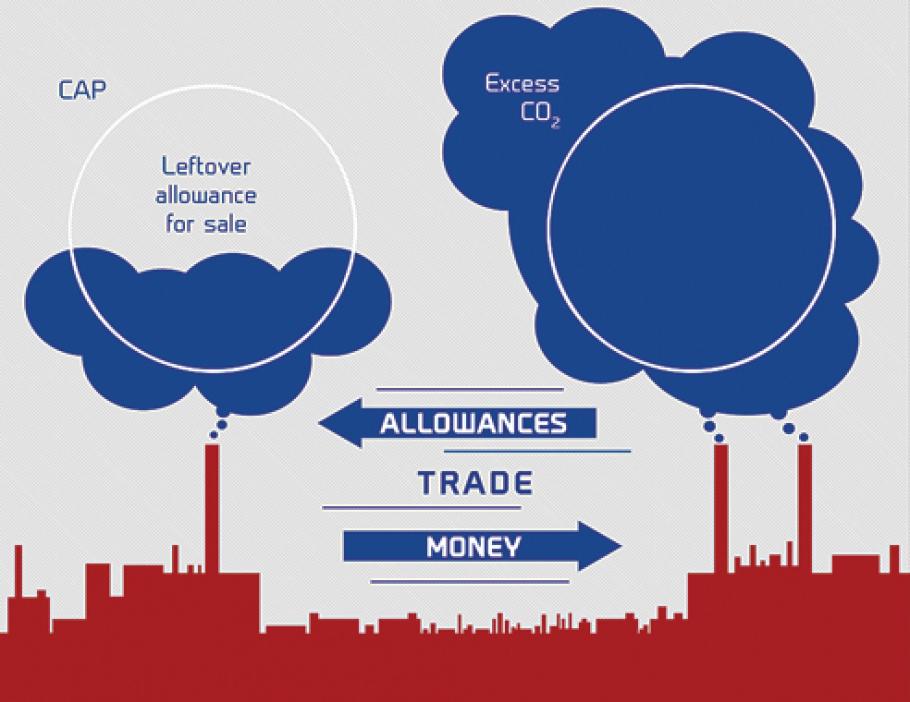
ETS establishes the concept of cap or limit on greenhouse gas emissions of an economic sector. The term ‘allowance’ has grown to be a by-product of the imposed cap and can be a significant tool for a particular sector to trade with financial value to another sector, which is in need of the allowance.
However, the demand for allowances can hit situations like strict government emission policies, emergency situations such as the COVID-19 pandemic, and economic recession. Although it can be a benefit if seen overall, from a business standpoint, the irregularities in the demand can put the managing platforms in a pinch….
Emissions Trading
It is already proven that the cause of climate change is the presence of greenhouse gases. In the Paris Agreement, participating countries agreed to reduce greenhouse gas emissions as much as possible to limit the negative consequences of climate change. Although the objective is broad, it is the short-term plans that can help in attaining immediate improvements.
One particular short-term plan that has a high potential to succeed is carbon pricing. The purpose of carbon pricing is to put financial pressure on industries that might produce carbon footprints, thereby discouraging developing, manufacturing, and purchasing their …
A Transition From Coal to Clean Energy
The state of Oregon has been one of the leading states in terms of sustainability. The people are very driven in their quest for a better quality of water and air. In all of the USA, the state is only the second to adopt standards on low carbon fuel. It sounds too good to be true, but yet, somehow, it is actually partially true.
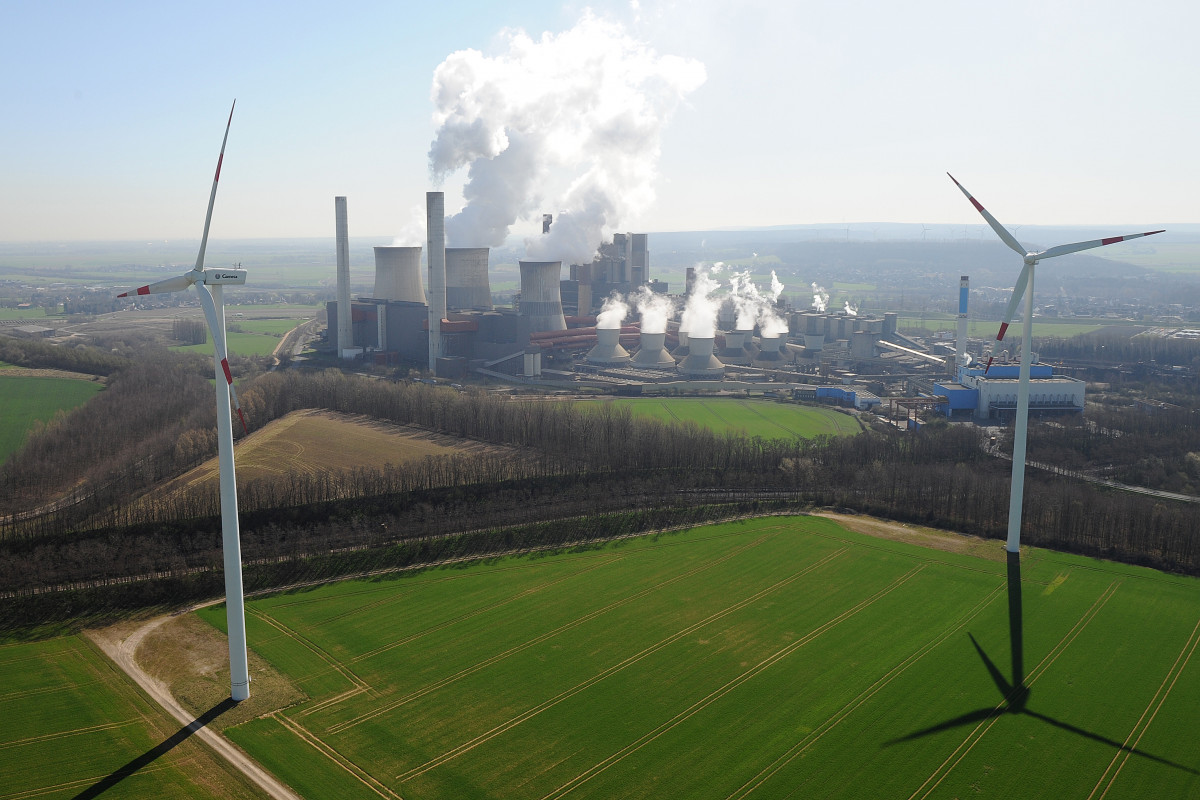
It is a fact that Oregon got its energy from renewables but unsurprisingly, it comprises only a majority of the state’s energy sector. A third portion comes from the coal-fired industries, but they are not from Oregon since no coal-based facilities are allowed to operate as of 2020. Companies outside …
How Coal Country Becomes Solar Country
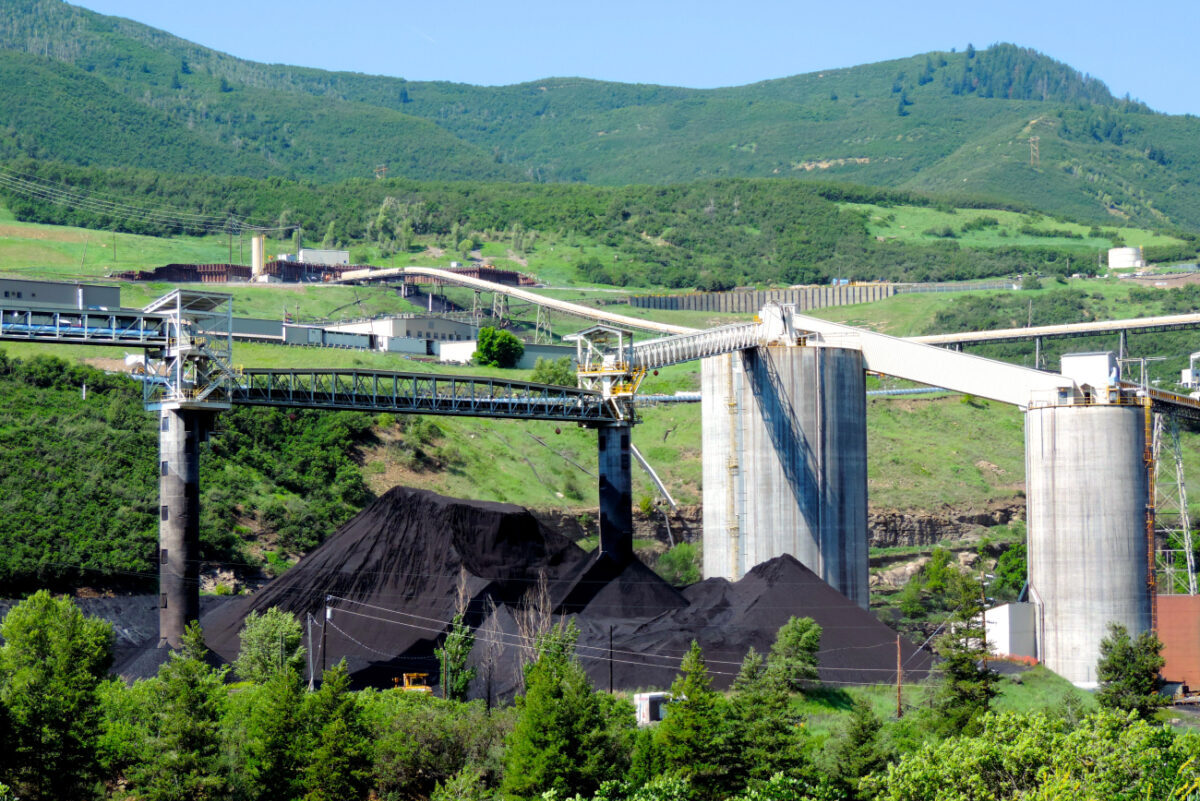
In Delta County of Colorado, the industries of the area had been dependent on coal-mined products. However, 5 years ago, the mining industry took a hit, and 2 of the 3 mines were closed. To fill the void, solar energy was being considered, and surprisingly, the transition went well. The lost jobs by the closure of mines were being renewed slowly as solar energy-related careers.
The transition from fossil fuel-dependent industry to renewable energy source-powered industry has been one of the underlying concerns of climate and environmental groups. Numerous large communities rely solely on mining companies. If the transition is not …
Renewables Increasingly Beat Even Cheapest Coal Competitors On Cost
A report from the International Renewable Energy Agency, or IRENA, states that renewable energy is cheaper than the usage of fossil fuels to generate electricity. In 2019, more than 50 percent of the renewables’ capacity was seen to be lower in costs compared to the cheapest, newest coal-fired power plants.
Together with the onshore wind energy systems, solar energy systems have been the major contributors to this great news. For comparison, a 1,200-Gigawatt coal capacity can cost more in terms of operation compared to a new solar PV (photovoltaic) farm. According to the estimates, replacing a 500-Gigawatt coal capacity with …