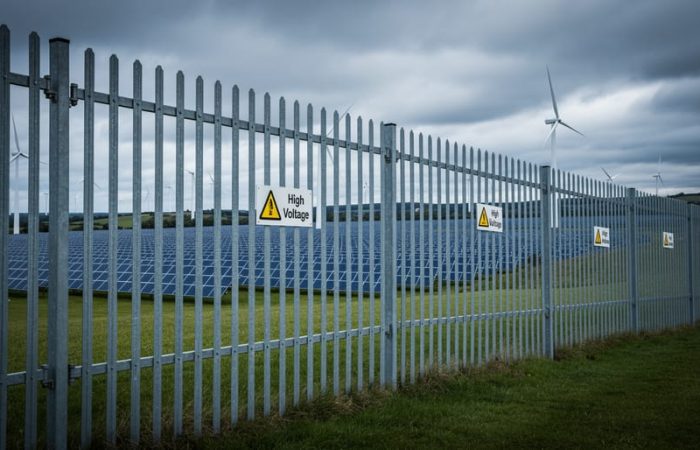
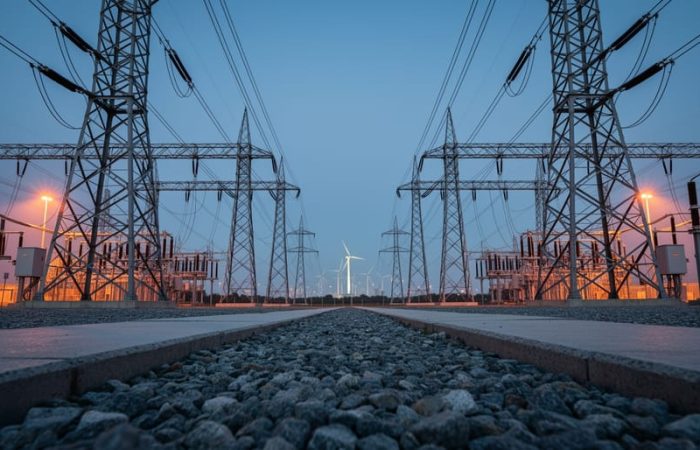
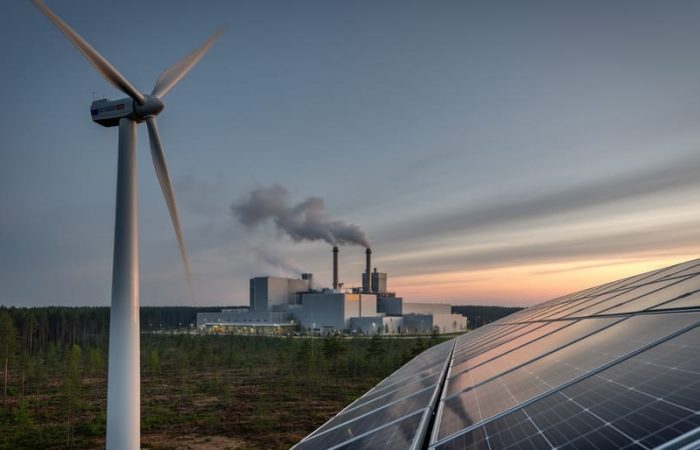
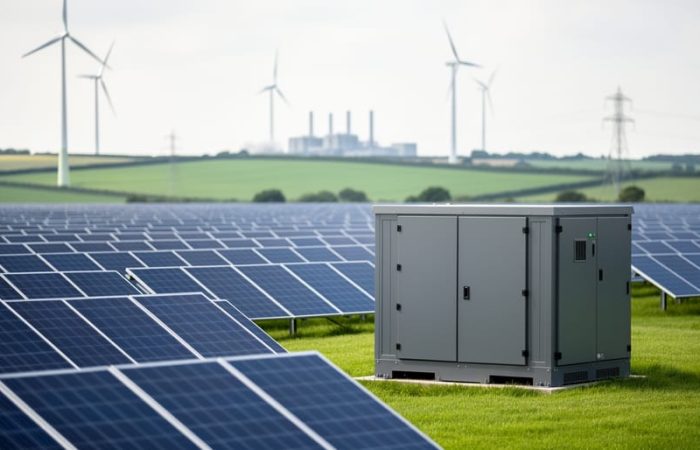
Four major green power systems are experiencing critical shifts in 2026, driven by regulatory consultations, investment commitments, and evolving market frameworks that could accelerate or delay the UK’s clean energy transition. Solar, wind, battery storage, and carbon capture technologies now sit at the intersection of policy reform and commercial deployment, with £70 billion in transmission infrastructure planned through 2031 to support their integration.
The 2026 green energy update reveals a landscape shaped …
Leaders in Green Energy News Update: What Changed and What to Watch in 2026
The green energy transition is stalling not because the technology isn’t ready, but because the companies that control grid access are creating massive bottlenecks. Recent research reveals that traditional utilities are actively delaying the integration of wind and solar projects, leading to a connection backlog that leaves clean energy projects waiting months or even years to deliver power to the grid. This contradiction between public sustainability commitments and actual behavior matters because the UK has set an ambitious target for …
4 Linkage Mechanism: How Carbon Markets Connect to Expand Climate Impact
The four linkage mechanisms that enable emissions trading systems to connect are baseline-and-credit linking, direct linking, indirect linking through a common registry, and mutual recognition of compliance units. These technical frameworks allow carbon markets across different jurisdictions to share emission reduction credits, expanding liquidity and creating pathways for businesses to meet compliance obligations more cost-effectively. As global climate commitments intensify in 2026, understanding these mechanisms has become essential for anyone working at the intersection of …
What Is Industrial Power Generation (and How Does It Hinder Green Energy)?
Industrial power generation is the large-scale production of electricity by utilities and independent producers to supply the electrical grid, encompassing everything from coal and natural gas plants to nuclear facilities and renewable installations. This foundation of modern infrastructure powers factories, offices, hospitals, and homes, yet the system itself has become a flashpoint in the transition to clean energy.
Understanding how industrial power generation works matters now more than ever because the companies operating these systems hold …
What Is GHG Emission Reduction (and How Does It Work)?
GHG emission reduction is the deliberate process of lowering the amount of greenhouse gases released into the atmosphere through changes in energy systems, industrial practices, transportation, land use, and consumption patterns. These gases, primarily carbon dioxide, methane, and nitrous oxide, trap heat in the Earth’s atmosphere and drive climate change. Reducing them is no longer optional for governments, businesses, or communities aiming to limit global temperature rise and its cascading impacts.
The challenge is real, but so is the momentum. By 2026, emission reduction has evolved from a theoretical target into a set of …
How to Size Batteries for Solar Panels: The Right Calculation for Your Energy Freedom
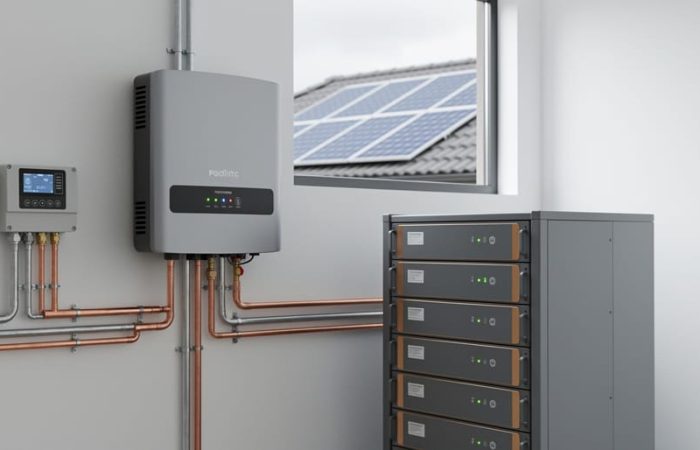
Calculate your daily energy consumption in watt-hours by reviewing your electricity bills or using a power monitor to track actual usage over several days. Multiply this figure by the number of days you want backup power (typically 1-3 days for most residential systems), then divide by your battery’s depth of discharge rating. For example, if you use 30,000 watt-hours daily and want two days of autonomy with lithium batteries rated at 80% depth of discharge, you’ll need 75,000 watt-hours (or 75 kilowatt-hours) of battery capacity.
In the interest of …