
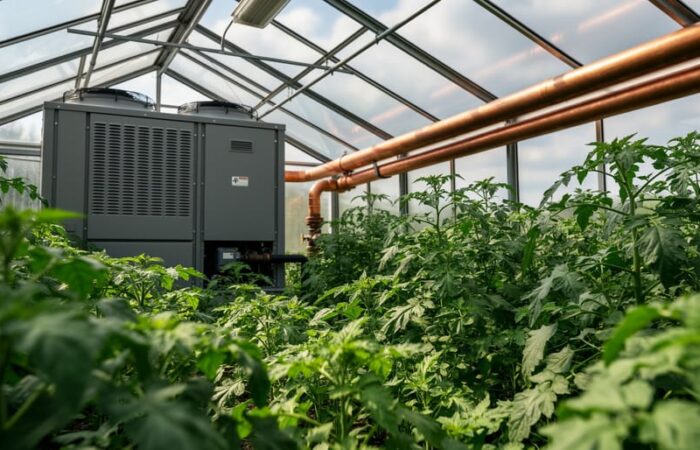
The six greenhouse gases are carbon dioxide (CO2), methane (CH4), nitrous oxide (N2O), hydrofluorocarbons (HFCs), perfluorocarbons (PFCs), and sulfur…
Emissions Trading Systems: How the UK ETS Works, Who It Covers, and Where to Get Help
The UK Emissions Trading Scheme (UK ETS) is a cap-and-trade programme that puts a limit on greenhouse gas emissions from certain carbon-intensive…
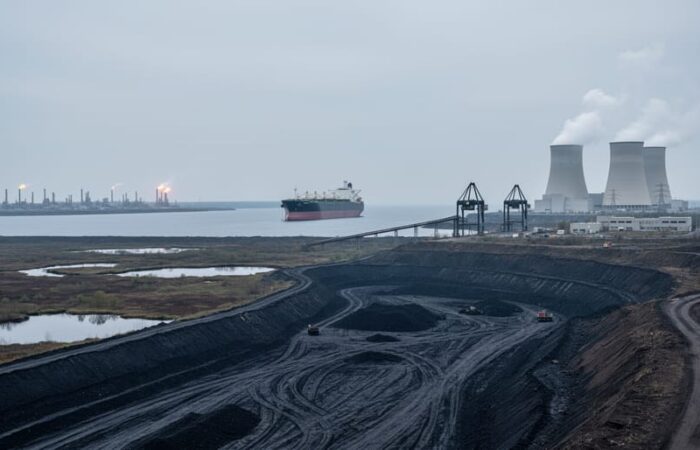
5 Non Renewable Energy Sources and What They Mean for the Energy Transition
The five main non renewable energy sources are coal, oil, natural gas, nuclear (uranium), and peat.
How Much Does Cost Containment in Emissions Trading Systems Cost? (2026)
Many systems include de minimis thresholds or simplified compliance pathways for facilities emitting below specific levels, often 25,000 tons CO₂e…
EU Emissions Trading System (EU ETS): How It Works, Who Participates, and Compliance Steps
The EU Emissions Trading System is Europe’s cap-and-trade carbon market, established in 2005 as the cornerstone of EU climate policy.